

What We Miss When We Travel Sight-First
Try this on your next vacation.
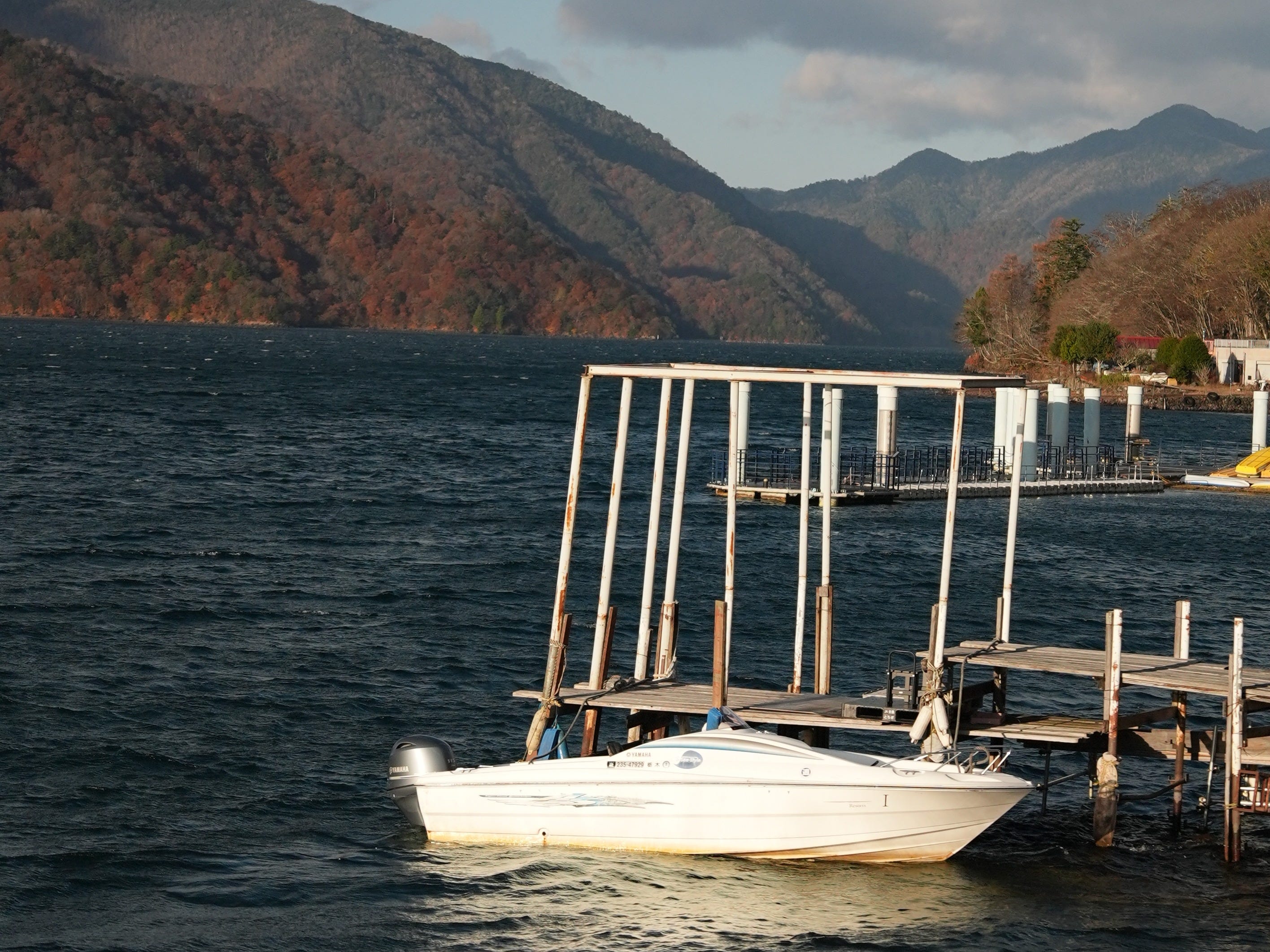
Last winter I went to Japan, my favorite place in the world. If you’ve been there, you know it’s one of the most visually intoxicating places you can experience. Everywhere you look there’s beauty to behold. The perfectly symmetrical temples and shrines, the colorful and impeccably packaged foods and confections, the splendor of nature’s colors and coherence.


The country is truly a feast for the eyes. So much so that every evening my eyes stung as much as my feet ached from all the walking.
But what deeper layers of experience did I miss traveling sight-first?
That’s what I began asking myself after listening to a fascinating episode from the NY Times podcast The Daily last Sunday. The topic was about a NY Times photographer who toured India through the travel agency TravelEyes, which pairs visually impaired travelers with sighted travelers, as equal travelers. The aim of the match-up is to engage all of your available senses, share what you find, and have a truly multi-sensory travel experience. You can listen to the full episode here, but I wanted to share some of the insights that caught my attention.
On one excursion through Delhi, the photographer was paired with a blind man who asked to have everything they came across be described to them in detail: the black and white painted curbs, the roadside vendors displaying potato chip bags over the front of their stands like colored beads, the neat car lane lines that were universally ignored.
While being challenged to give descriptive details, and slow down accordingly, the sighted photographer realized that he was invited to focus on the ordinary elements that quietly defined a place. He was being led to see the unremarkable things that he’d normally pass over, which was sharpening his attention to detail, and giving him a more vivid impression of the place. For the blind traveler who was focused on what he was hearing, feeling, and smelling, the added visual descriptors gave him a more complete understanding of what was in front of him.
On another excursion, the photographer was paired with a blind woman who wanted to better understand the reality of everyday life for the people of India. The photographer pointed out the grittier aspects of the country: the laundry hanging out the window of apartment buildings, men threading marigold garlands for temples, men selling mangoes from their modified rickshaws. He also described the emotions on people’s faces. The blind woman, in turn, shared how a little child patted her leg, which made her reach out to feel their hand, only to discover how rough the hand felt. She wondered what the child might have been through? How do they live? Together they were discovering the true humanity of the place.
I have to say, I was really happy to hear an episode about the senses from a prominent media outlet - here’s to more where that came from! There’s so little focus on multi-sensory experiences that even the slightest mention gets me excited, and makes my mind churn with ideas … more on that in a minute.
But I was also sad, and disappointed …
What struck me, sitting with the episode, was what none of the travelers mentioned once: the smells. India specifically is known for its riches of smells! No mention of the scent of the marigold garlands, or the sweet smell of the ripe mangoes in the Delhi heat. Surely there must have been even the slightest whiff of incense moving through every temple district they passed. Not a single mention. None. Imagine that, a podcast about the limits of sight-first travel producing a provocatively told, completely smell-free account of India. This is how invisible smell remains, even when we’re actively asked to pay attention.
There’s an old parable from Jain philosophy that goes as follows. Several blind men encounter an elephant for the first time. One grabs the trunk and says it’s a snake. One touches the leg and says it’s a tree. One feels the side and says it’s a wall. One holds the tail and says it’s a rope. One touches the ear and says it’s a fan. Each is convinced he alone has the truth. Each man is partially correct. None is right about the whole. In Jain philosophy this illustrates anekāntavāda, the idea that reality is too complex to be fully known from any single vantage point, that conflicting accounts can each contain partial truth, and that certainty based on one perspective alone has its own limitation.
All of this got me thinking about how I might travel differently moving forward. Whether it’s revisiting the familiar or exploring new places. What happens when we dim our dominant sense of sight and allow ourselves to be led by the nose? How can that open up a new appreciation for a place and its people?
I have a few ideas:
Smell first. Arrive somewhere new (or old) and give yourself thirty seconds to simply take in the smells. What does this place smell like before your vision takes over and runs the show?
Notice changes. Then, as you move through a place, notice how the smells change - from the transit hub, to the food markets, to the residential backstreets, to the parks. Every city has its own smellscapes, and moving between them tells you something a map never could. Smell the ordinary infrastructure too: the water, the rain on hot pavement, the inside of a bus or train. These things vary more between countries than almost anything you’ll photograph.
Ask others to take part. If you’re feeling bold, ask a local to share what their city smells like to them. Most have never been asked. I imagine the answers will be unexpectedly specific, and potentially moving.
Keep a record. Finally, alongside your camera roll, keep a smell log. One note per place, per day (record it in your phone notes - I love my voice memo app!). You’ll be surprised what rich memories the smell descriptors will evoke that your photos can’t.
Let me know how it goes! I always love to hear. Leave me a comment below.
The smell(s) of a place are fundamental to my experience of it. I still remember the feeling of sensory overwhelm when first landing in Singapore in 1969 in the days when you still had to walk across the tarmac when disembarking. I can think of a scent memory and conjure a visual in response to it (and flipping through my photos does the reverse). I remember being horrified for my grandmother when she lost her sense of smell for a few months after a vicious attack of flu in her early eighties, it affected almost everything about her enjoyment of life.
Love this. I do this instinctively, but maybe not intentionally or as much as I should. As someone who is traveling soon, this is a good reminder.