

The Smell of Deregulation
We can't afford to devalue the air that we breathe.
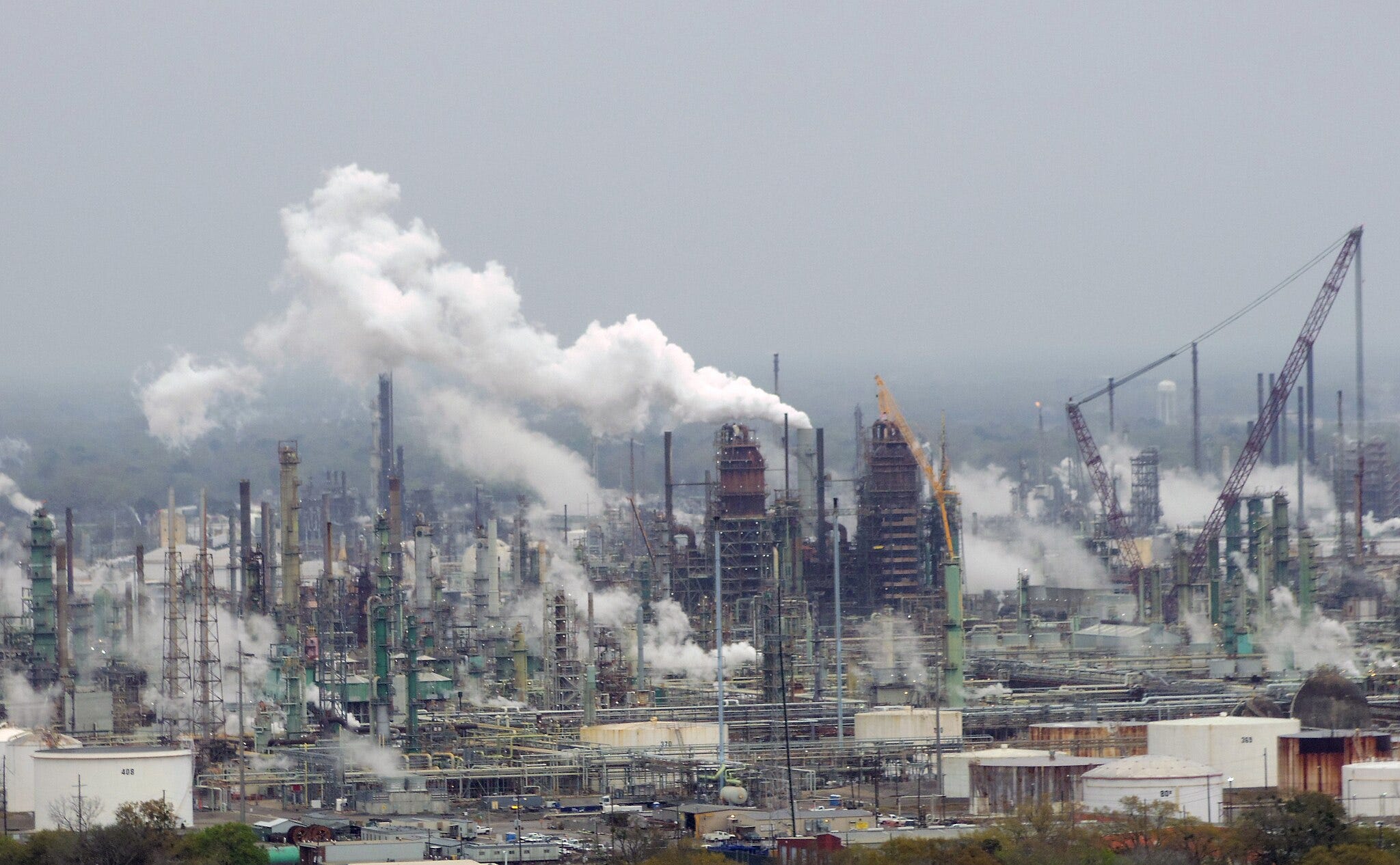

Most of us don’t think about the air we breathe unless it smells bad.
If it smells like smoke, we notice. If it smells chemical or plasticky, we start to get nervous. But if it “smells like nothing”, we think that everything is fine.
But the truth is, even when it smells like nothing, the air around us is full of choices humans make every day. What the air carries, what’s allowed to stay in it, all of it comes from politicians’ decisions about things like how we make electricity, run factories, or enforce car emissions.
This past weekend, President Trump reversed the federal “Endangerment Finding”, touting it (with his usual bravado) as the “biggest regulatory relief in history.” The 2009 EPA decision had made clear that greenhouse gases threaten public health, and enabled for regulating emissions of power plants and other big sources of pollution. This reversal threatens to roll back all of it (as of this posting it’s being contested in court).
I bring this up not because I want to talk about abstract climate politics or over-regulation. No, I want us to simply consider what decisions like this mean in terms of the air you breathe - especially what you smell - wherever you live.
You see, this environmental deregulation isn’t just a political move, it’s a sensory shift. It’ll change the air millions of people breathe. You could say that air policy shapes our lived sensory reality.
If you live near a highway, you know the smell of exhaust during rush hour. Near a refinery or plant? You likely experience the faint smell of plastic or sulfur-like odors. High-ozone day? There’s always a metallic whiff in the air. Millions of people live with these smells every day.
Here in the San Francisco Bay area we have something called “Spare the Air” days, where we’re asked to reduce driving and not burn wood. The idea is to prevent air pollution from reaching hazardous levels by encouraging residents to take voluntary actions that reduce emissions. While it might seem like a good idea, it puts the onus on the individual and not the systems in place that actually instigate the air pollution in the first place.
The key problem is that deregulation redistributes the sensory burden. Those living closest to factories, power plants, and congested cities will feel the effects, and suffer the health consequences, first.


We have to realize that air quality isn’t just a statistic, it’s an actual lived experience.
Take the example of the residents of Adrian, Michigan who live next to a factory that turns bad eggs into pet food. A persistent “rotten egg” stench has plagued their town for years. Neighbors tell stories of dashing from car to front door to escape the foul odor. One local described the stench as rotten eggs and sewage combined. It’s also been variously described as “dead chickens,” “organic death,” and “like a dead animal carcass.”
Or the example of residents in Wilmington, California, and near a Mississippi Chevron facility describe a life plagued by constant rotten egg smells and acid-like odors, causing nausea and eye irritation. Similar testimonies from El Paso, Texas, confirm that these odors and toxic fumes disrupt basic daily activities, including walking to the mailbox.
What’s clear to me is that because smell is culturally undervalued, it’s no wonder that systems ignore the consequences.
WHY THIS MATTERS NOW
I bring all this up because environmental regulation, and the air we breathe, is fragile. Climate fatigue is real, and most people are feeling numb.
But shouldn’t we care about the air entering our body? Even if you live in a place that isn’t polluted, isn’t it imperative for us to care about those who do?
We already de-value the sense that helps us detect environmental harm. Our sense of smell is foundational to keeping us safe.
Air policy is sensory policy. And we’re far less willing to fight for clean air for all than we should.
Did you like what you read, but don’t want to commit to a monthly paid subscription?
Feeling frustrated? Here are 8 things you can do to help the Natural Resources Defense Council fight Trump’s agenda.