

Should We Be Literate in Smelling?
An idea to contemplate this weekend.
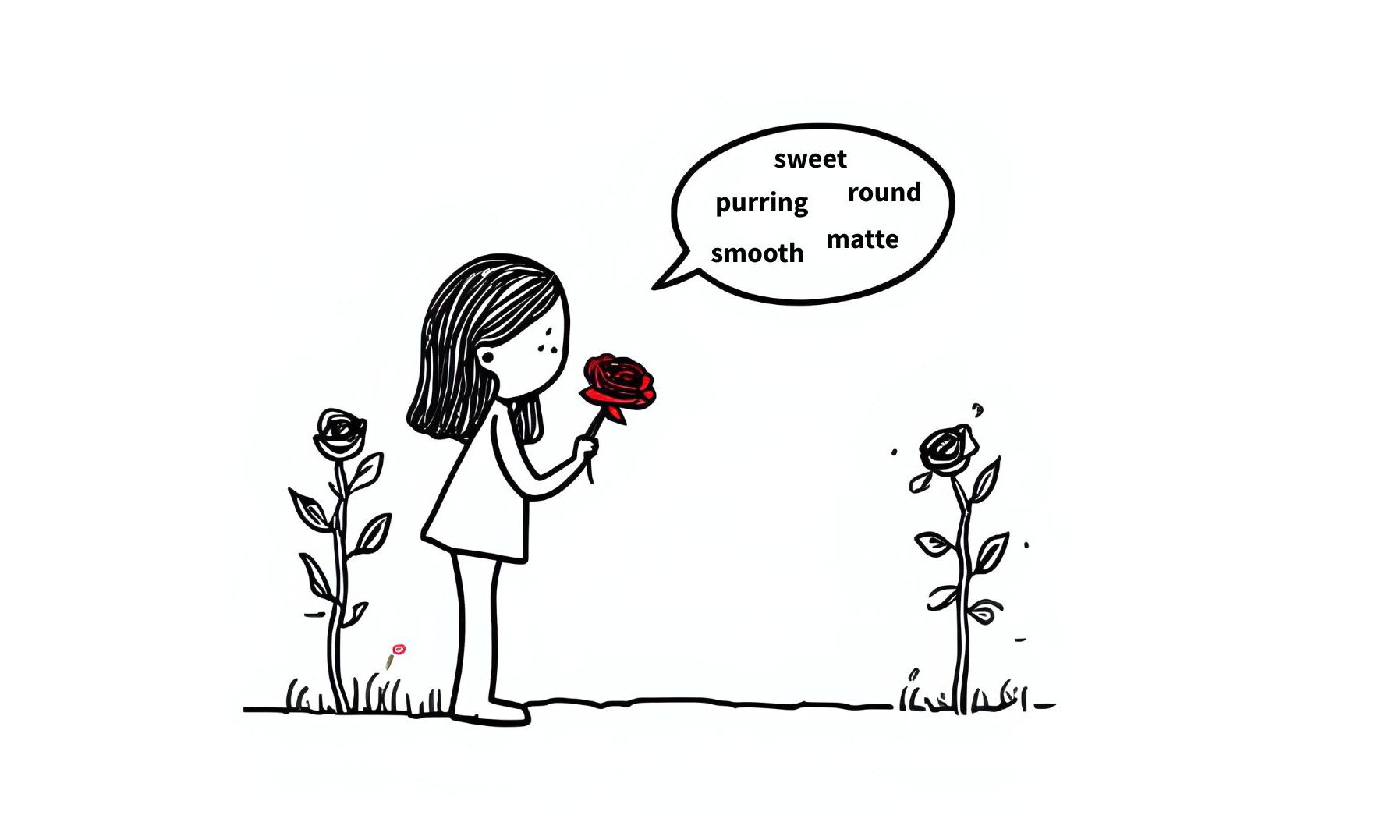
The Oxford dictionary defines literacy as the ability to read and write.
To read is to understand what is said, to interpret what is meant, and to construct personal meaning.
To write is to create ideas, to communicate meaning, and to shape personal thoughts.
Of course, literacy isn’t just about physical books anymore since we’ve moved into the digital realm, but it’s still a mostly visual skill.
Which got me thinking: Why hasn’t smelling been given the same attention?
Should we be literate in smelling?
What if we thought of smelling as a skill, just like reading and writing?
It could look something like this…
At its foundation, smelling is the basic ability to notice an odor, identify it, and tell it apart from other smells (the pillars of smell health). This would be like learning your ABCs, or recognizing shapes on a page before you can read a book.
But what if you went further?
If literacy is about understanding, interpreting, and communicating, then being literate in smelling could mean recognizing nuances through felt emotions (reading): training your attention to subtle differences in smells in everyday life.
Or building specific vocabulary for smell experiences (writing): expanding your descriptive language to accurately convey scents in words.
And, ultimately, expressing and communicating ideas through scent/aroma creation (writing): creating a more flavorful meal or scented ambiance.
Why does it even matter?
Being literate in smelling gives you richer sensory awareness: your world becomes further dimensionalized and connected beyond the default sights and sounds we so heavily rely upon.
It deepens emotional understanding: you become more sensitive to the invisible cues that affect your feelings and the environments you move in. After all smelling is, first and foremost, emotional.
It helps you express experiences that might otherwise be overlooked: you recognize deeper meaning for yourself, and are able to more easily share it with others.
It deepens connection to place and people: smells tell stories about culture, history, and the environment, and smelling creates more meaningful bonds with places and people around us.
What if we tried it? What might it open up - for experience, memory, creativity, connection - if we actually practiced it?
What do you think?
If you’re still curious, I had a wonderful philosophical discussion about this topic with a librarian and fragrance enthusiast - it’s this week’s episode on my podcast. See below.
This week on my podcast An Aromatic Life:
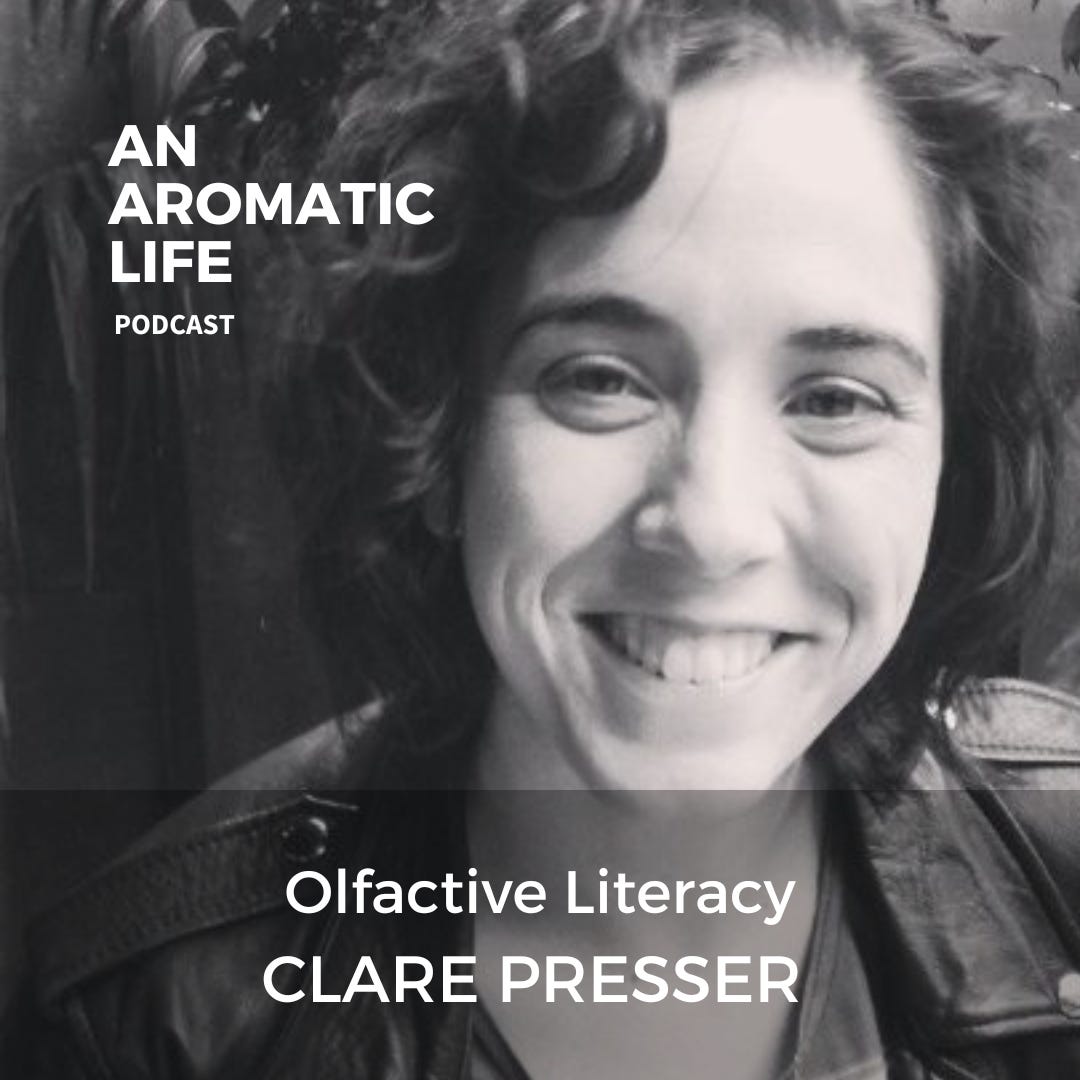
In this latest episode, I sit down with librarian, fragrance enthusiast, and Paperback Perfumes podcaster Clare Presser to unpack the emerging idea of olfactive literacy: what it means to understand, communicate, and create using our sense of smell.
Together we discuss: Can we read scents the way we read words? How do memory, culture, and emotion shape the way we smell? And what shifts when we begin to develop a deeper awareness and vocabulary around scent?
From the foundational elements of smell health to the parallels with visual and digital literacy, and from perfumers crafting scent narratives to wearers interpreting them through lived experience, this episode is full of scent-loving curiosity.
If you’re fascinated by the language of smell and the many ways it connects us to ourselves and the world around us, this is an episode for you.
You can listen to this episode and many more on Apple podcast, Spotify, Amazon Music, or wherever you get your podcasts.
Really interesting post. Just last week I wrote a post about using all our senses to experience nature (link here below if you are interested) and I quickly noticed that talking about sensing with sight, hearing and touch was relativelly easy, but when I tryvto go on to smell and taste I found it hard to find the right words, or even to think of good examples. I definitely lack some smelling literacy!
https://open.substack.com/pub/greeningroningen/p/great-egret
Can’t wait to listen to this!!