

I stepped out of the arrivals hall into the fresh air and boom - it hit me like a brick - a gust of wind so bone-chillingly cold it stopped me in my tracks. It felt like someone had slapped me in the face - hard. Oh, how my little California wimpy self had forgotten this typical winter Chicago greeting. I hadn’t prepared myself adequately (what was I thinking!) and realized my mistake when I looked around and saw only mummified heads, no facial features recognizable for miles around.
What you might not know is that I grew up in Chicago, I experienced the Blizzard of ‘78, and I should have known better. THIS is what winter is supposed to feel like, not the sunny 60F slumber that I’ve been lulled into over the past 20 years here in California.
It got me thinking about how different our smell experiences are in the winter vs. other times of the year. So much of what we’re able to smell around us is dependent on the temperature, the humidity, and airflow.
Have you noticed that it’s harder for us to smell things in the winter?
You see, cold temperatures means the air is more still, more dense, and so keeps all those beautiful aromatic volatile compounds from wanting to release from their source; they don’t lift as much. They’re not animated to jump out and hit the nose. Instead they rest like much of Nature.
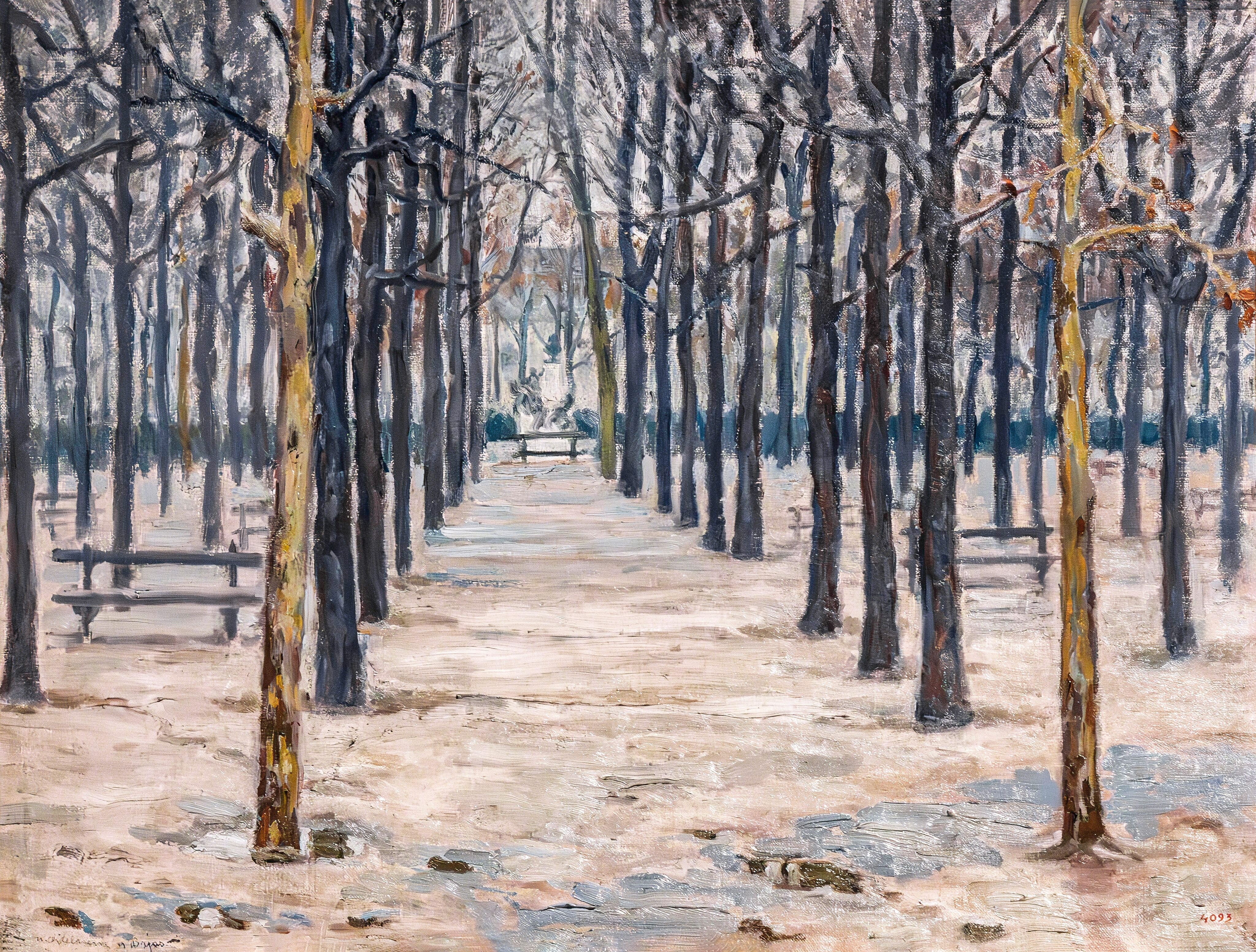
I mean, you can feel the dormancy of Nature when you walk around: most plants are bare, turning inward to rest, and the soil has less microbial activity since even the tiniest creatures are in hibernation from the cold. The smellscape in winter feels muted.
But even indoors smells appear quieter to us, as the dry air becomes a hindrance for our senses. Our smelling instrument, the nose, isn’t as sharp because the dry air reduces our nasal mucosa production. The dryness makes odor detection less sensitive, even if there are smells present. Our sense of smell works best when the nose is moist.
What’s interesting is that in winter our breathing changes too. We tend to take shallower breaths, and even breathe through our mouth more. Both affect how much scent reaches the olfactory receptors in our nose.
I’m not saying we don’t smell anything in winter. We do, and can, if we pay attention. Smells can seem sharper, more singular, and isolated because there are fewer competing scents in the air. I find that delightful as I, too, try to find more rest this time of year.
In the end, there’s a season for everything and maybe winter is a good time to rest the nose a bit, too. A time to take in only the most subtlest of smells.
So, let’s apply these concepts in this month’s Practices in Smelling. I invite you to exercise your smell muscle and deepen your understanding of smells. Here’s something to try out.

_A_Winter_Day_in_the_Jardin_du_Luxembourg_by_Mari%C3%A0_Pidelaserra_in_MNAC.jpg)