

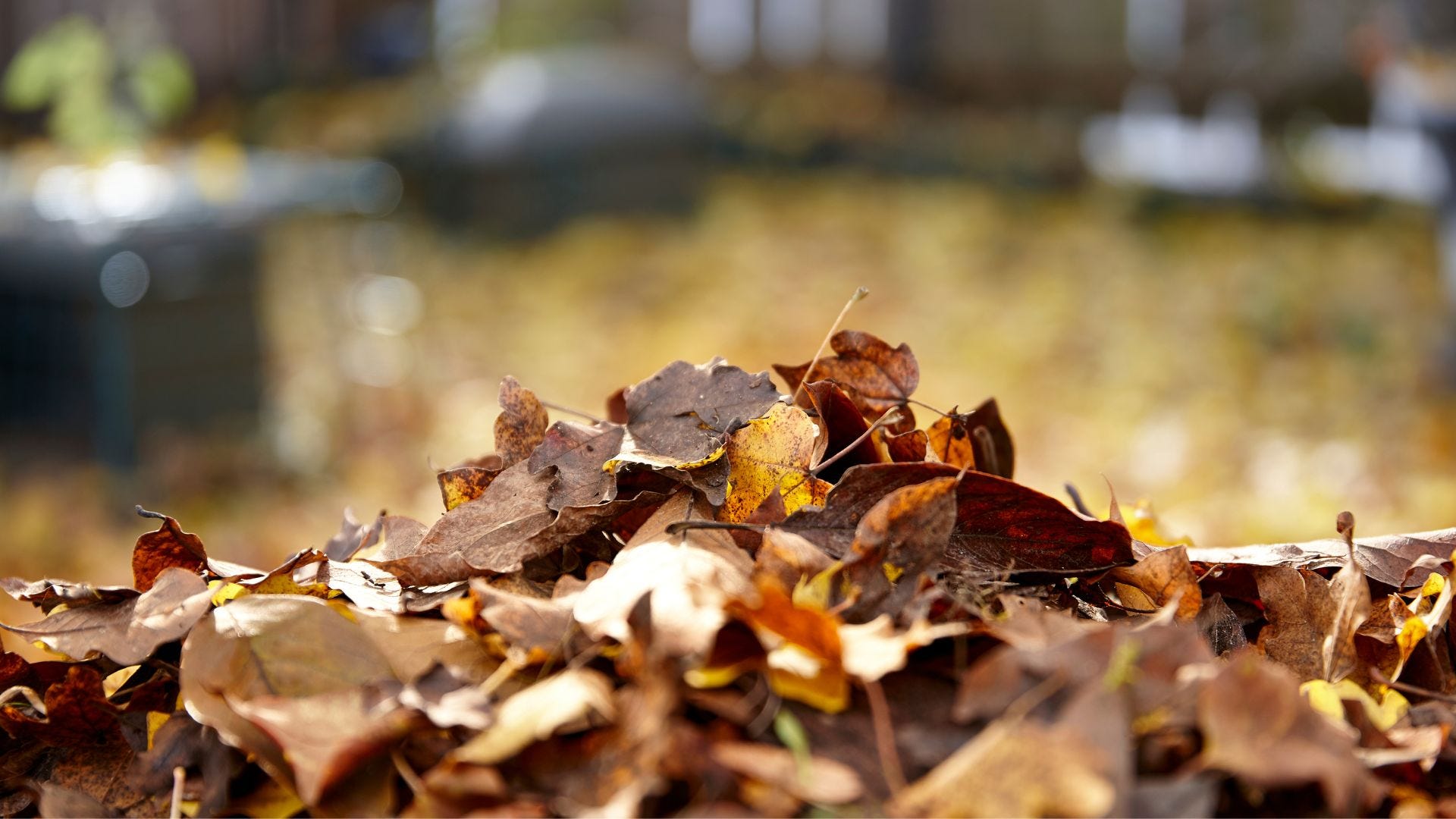
This month we continue with the series, “Practices in Smelling,” which aims to inspire and animate you to engage with your sense of smell more.
Here in the Northern Hemisphere it’s officially autumn, but we don’t need a calendar to tell us that we’re transitioning to a new season; our nose always leads the way.
It’s my favorite time of year, actually. 🍁 And I’m not the only one.
For me, the first clue that there's a change in season is the smell in the air. The cooler breezes mean scents are clearer and more prominent because there are fewer volatile organic compounds in the air. There’s less competition for your nose’s attention vs. the onslaught of smells that the heat and humidity of summer provide.
The beauty for me is that the smell of autumn in one place can mean something completely different in another place, depending on the trees, the ground, the air, and the indigenous plants and flowers. Chicago, the place where I grew up, smells very different in autumn compared to San Francisco, where I live now.
Of course, there’s also the rush of scent memories that emerge - the smell of pumpkin from childhood visits to family farms, the scent of a hayride, the aroma of an apple pie baked by a grandmother, or the smell of jumping on a large pile of just-raked leaves that provide hours of entertainment as a kid.
Yes, it’s an emotional time of year indeed.
Which brings me to today’s practice in smelling. How can you noticeably smell the change in season? You probably feel it intuitively, but let’s put our attention on it.
Here are a few ways to practice.

Exercise #1: The Smell of Transition
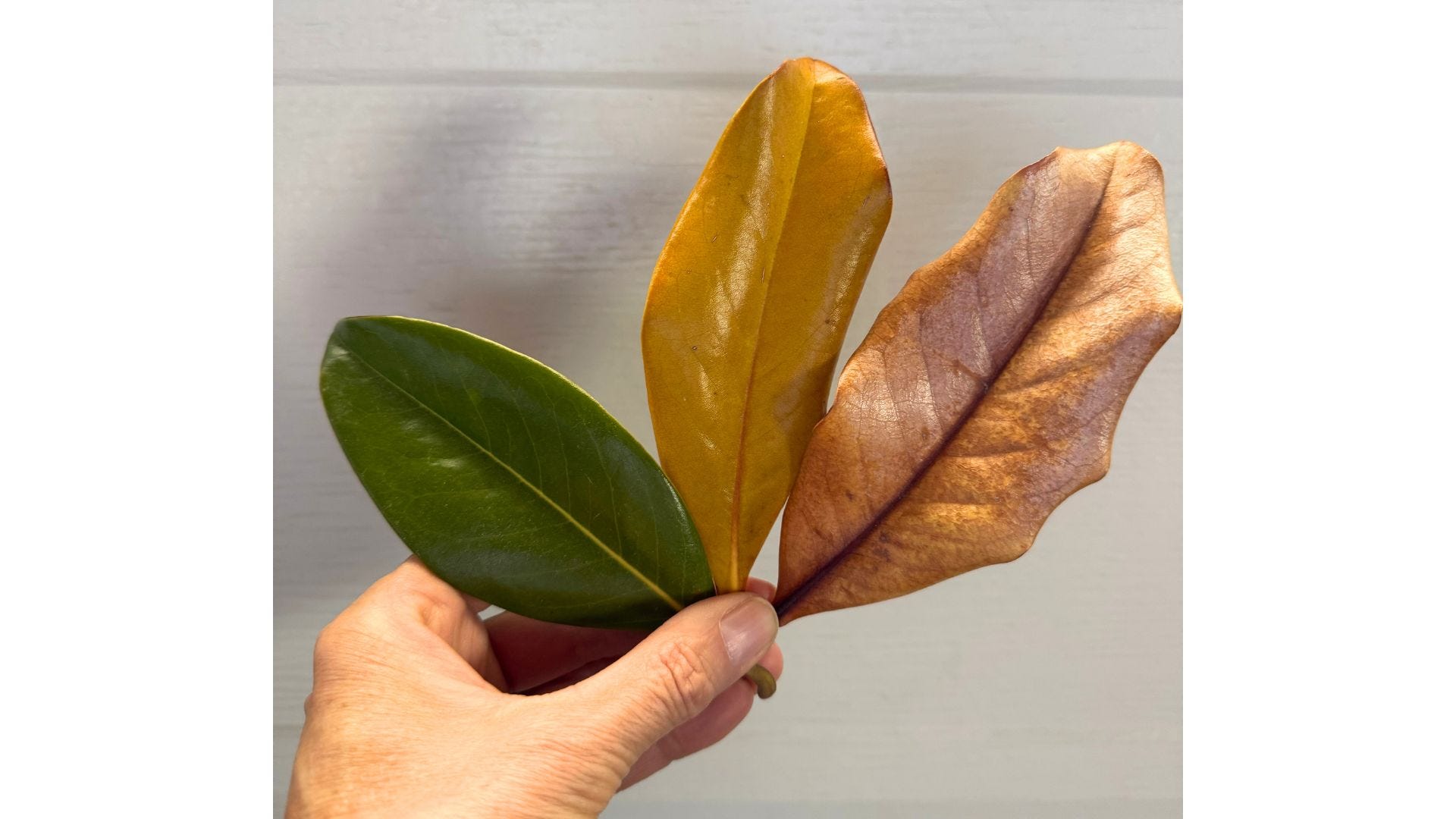
As deciduous trees transition their leaves from green to vibrant orange and red, and then eventually shed them altogether, you can notice subtle changes in the odors that they give off - but you really have to pay attention.
Try smelling the leaves of one tree in their 3 stages: green, transforming into yellow/red, and fallen (dead). If you need to, gently rub the leaf to agitate it to release more scent. What do you smell? What are the subtle changes in odor?
Repeat the exercise with different tree leaves, and at different times, as the season progresses. What changes do you notice?
Exercise #2: The Smell of Earth’s Shift
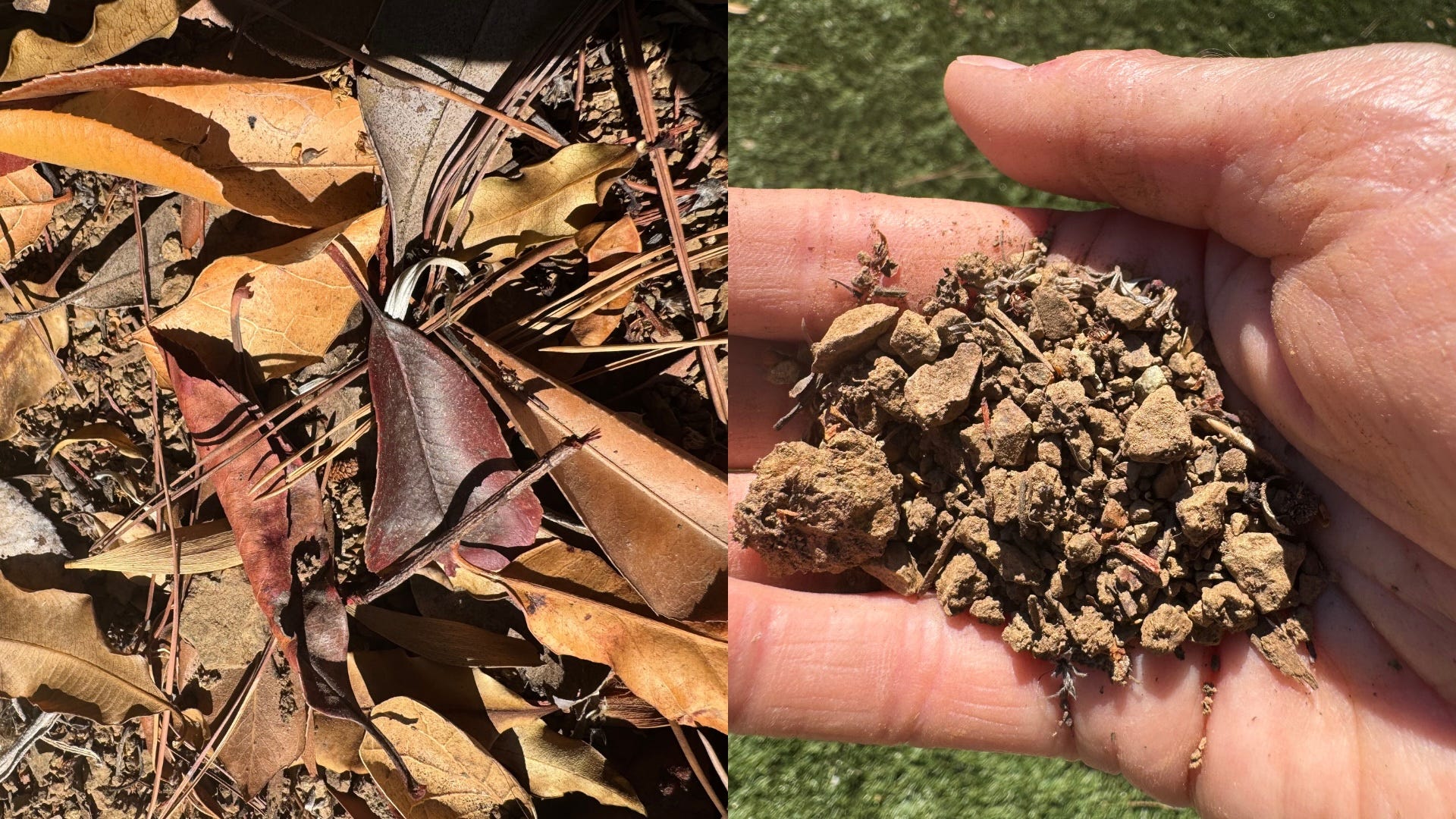
As autumn progresses, you’ll notice more leaves on the ground, serving as nutrient-rich compost for the soil. The fallen leaves release sugars and other organic compounds, and offer some captivating smells.
Try smelling the soil near where you live. Here in Northern California we’ve hardly had any rain, so the soil is arid and brittle; the scent is screaming for relief. What do you smell in the soil where you live?
Repeat the exercise with different spots of soil - compare soil with lots of leaves vs. soil with no leaf-cover at all. Continue to observe changes at different times of the season. What changes in smell do you notice?
Exercise #3: The Smell of Decay
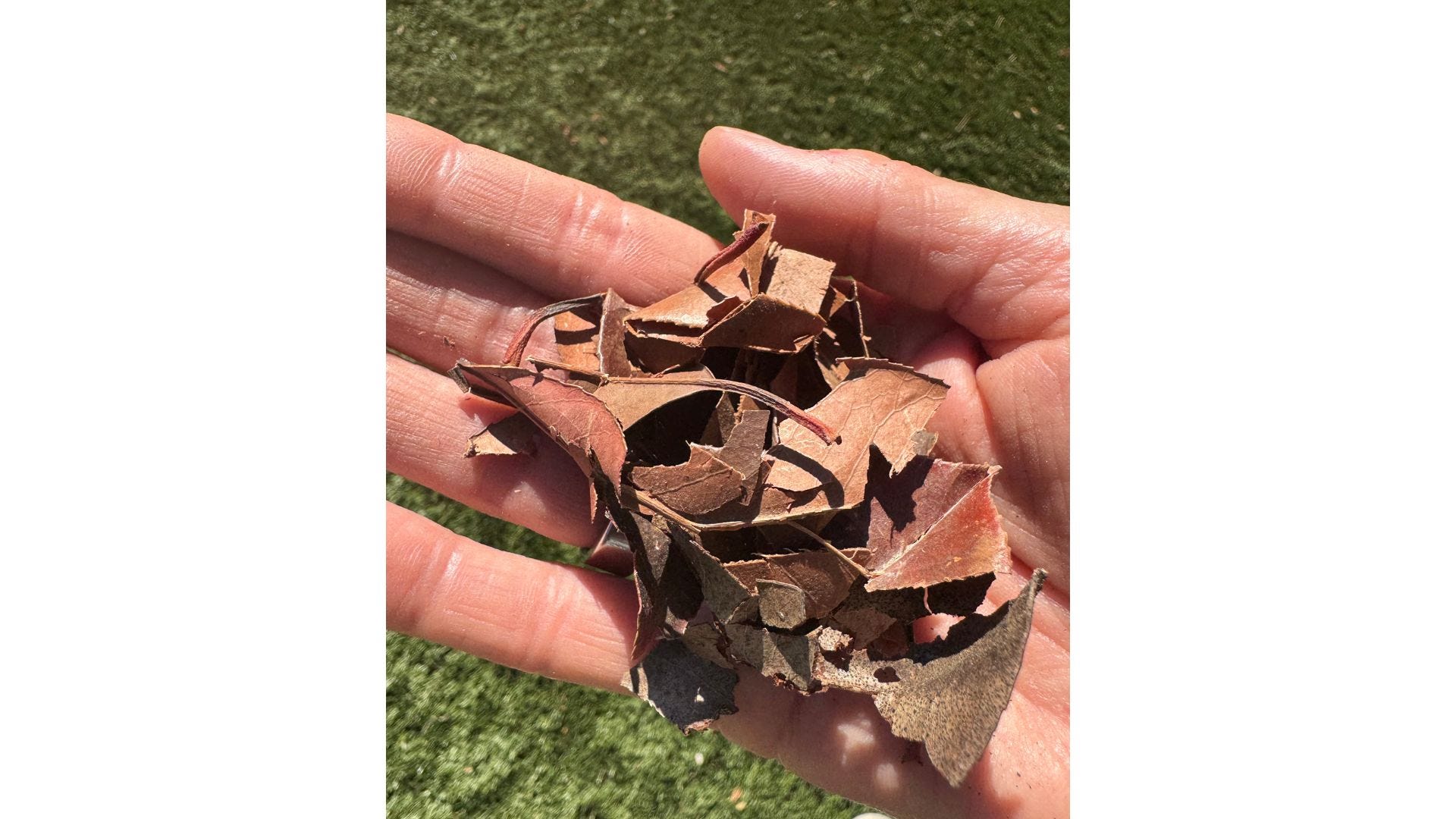
Fallen, decaying leaves have a really unique and distinct smell - not always what you expect!
Try this - take a handful of fallen leaves and crush them in your hand. What do you smell? In the picture above, the leaves I crushed were surprisingly earthy and tobacco-like. Really nice!
Repeat the exercise with different types of decayed leaves. If possible, compare one batch to another. What subtle differences in smell do you notice?
Simply from these few exercises you’ll realize that, at any given time, Nature gives us so many subtle changes in smell - we just have to pay attention!
Did you discover anything new? Did you gain a greater connection to the season that you didn’t have before?
Let me know how it goes, and feel free to leave a comment. ⬇️ I’d love to hear what autumn smells like where you live.
This week on my podcast An Aromatic Life:
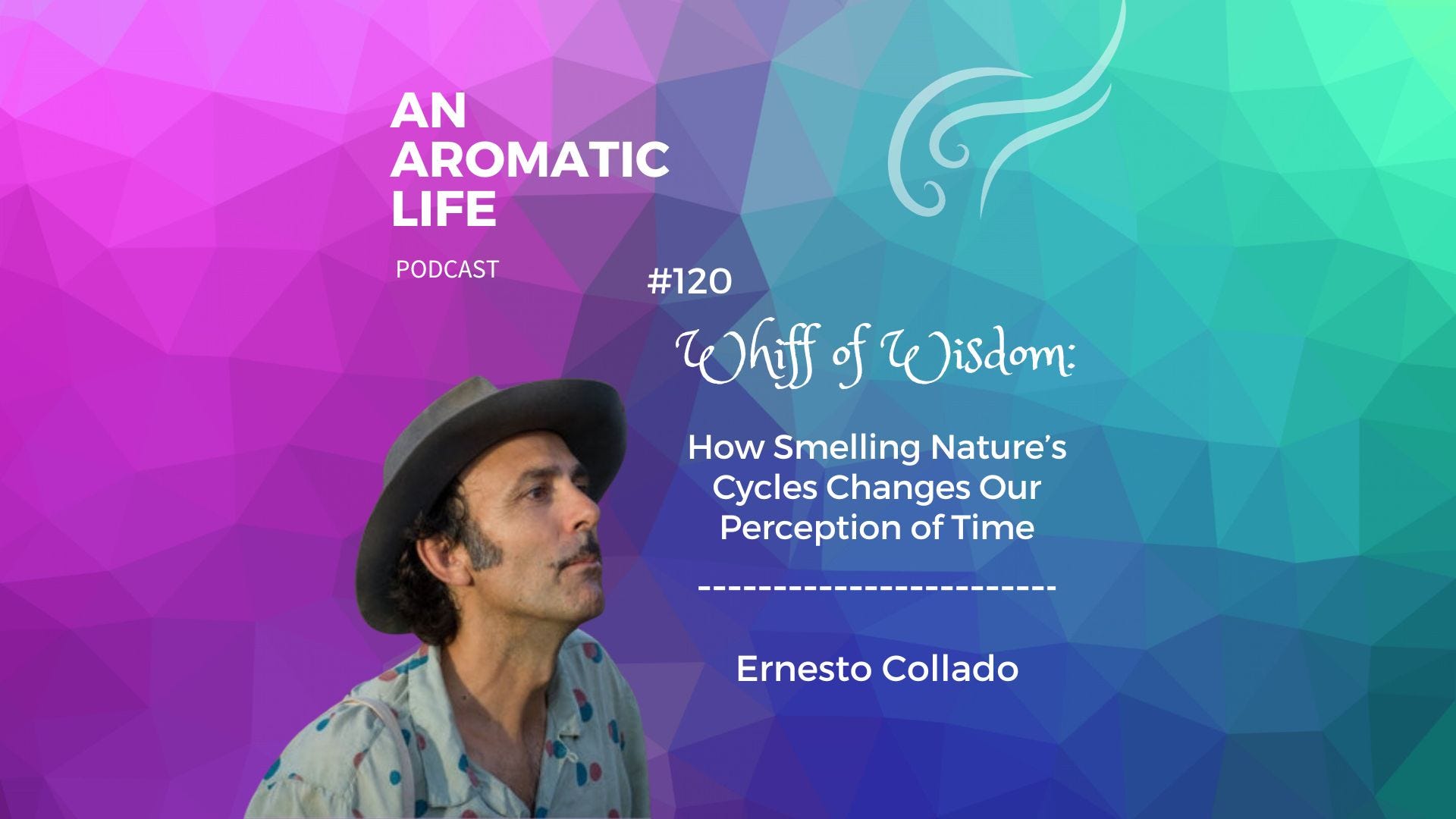
This week's whiff of wisdom comes from Perfumer Ernesto Collado who shares how powerful it can be to smell Nature through her different seasons, and notice how it changes our perception of time.
To listen to the original full episode go to episode #38.
You can listen to this episode, and many more, on Apple podcast, Spotify, or wherever you get your podcasts. Go here.