


This month we continue with the series, “Practices in Smelling,” which aims to inspire and animate you to engage with your sense of smell more.
I was planning to start with an inspirational quote to get us going, but it turns out that all I could find was negative statements about comparisons, in the vain of don’t focus on comparing yourself to others because you’re unique and beautiful as you are, etc etc. which is great, but not the point I’m trying to make. 🙃
You see, in the world of olfaction, comparing smells is actually a good thing.
Not only does it ensure safety, it also helps you appreciate food more, it gives you spatial awareness, allows you to assess your environment more accurately, and helps you evaluate social situations. In a nutshell, being able to tell odors apart is a sign that you have a healthy sense of smell.
I’m sure you’re aware that our brain is wired to constantly compare. When your brain gets new sensory information, it compares it to what it already knows. This helps it figure out what's important, find patterns, and decide what to pay attention to.
Maybe you’ve experienced this: you pour a glass of milk (not knowing that it’s gone off), you take in the odor molecules as you put the glass to your mouth, which signals to the brain wait, this isn’t what milk is supposed to smell like?! You might not register that cue and continue by taking a sip, and immediately notice the flavor is sour - that’s your sense of smell warning you not to drink the milk.
Your sense of smell is trying to keep you safe. It knows what milk is supposed to smell and taste like, and this isn’t it. When you lose your ability to smell, this safety mechanism is missing, and makes common activities that we take for granted very anxiety-inducing.
Taking the time to practice comparing and contrasting smells ensures you maintain good smell health. Here’s an easy exercise you can try out.

Exercise: Compare and Contrast
This exercise uses 3-4 items you (hopefully) have in your kitchen, or can easily buy.
I like to do this exercise with chocolate, but try it with tea, coffee, wine, oranges, or salts, for example.
So, here’s what you do…
Gather 3-4 different versions of your chosen item. I’ll continue here with chocolate, but it can apply to any other item you choose.
Pick 3 different kinds of chocolate: milk chocolate, dark chocolate, and white chocolate. To ease into the exercise, you can compare one of each. As you get better at discriminating, try comparing only milk chocolate or dark chocolate or white chocolate (you get the idea).
Begin by smelling each piece individually. Make mental, or written, notes about the smell - describe what you smell in detail. Each is its own reference.
Now compare one vs. the other - just smelling. I like to do 1 vs. 2, 1 vs. 3, and then 2 vs. 3. Ask yourself what they have in common and what makes them different. The more detail you provide your brain, the better references it will have.
Lastly, repeat the above except now take a bite. You’re now evaluating flavor (this is retronasal smelling - like smelling through the back door, if you will, because the odor molecules that are released when chewing go through the back of your mouth, up to the nose, and then brain).
And that’s the exercise.
Try it with different types of black tea or coffee, with oranges, mandarins, and tangerines - you get the idea. Have fun comparing and contrasting.
Did you discover anything new? Did you gain a new appreciation for differences that you didn’t have before?
Let me know how it goes, and feel free to leave a comment. ⬇️
Did you know that I’ve co-written a children’s book called No Place for Plants?
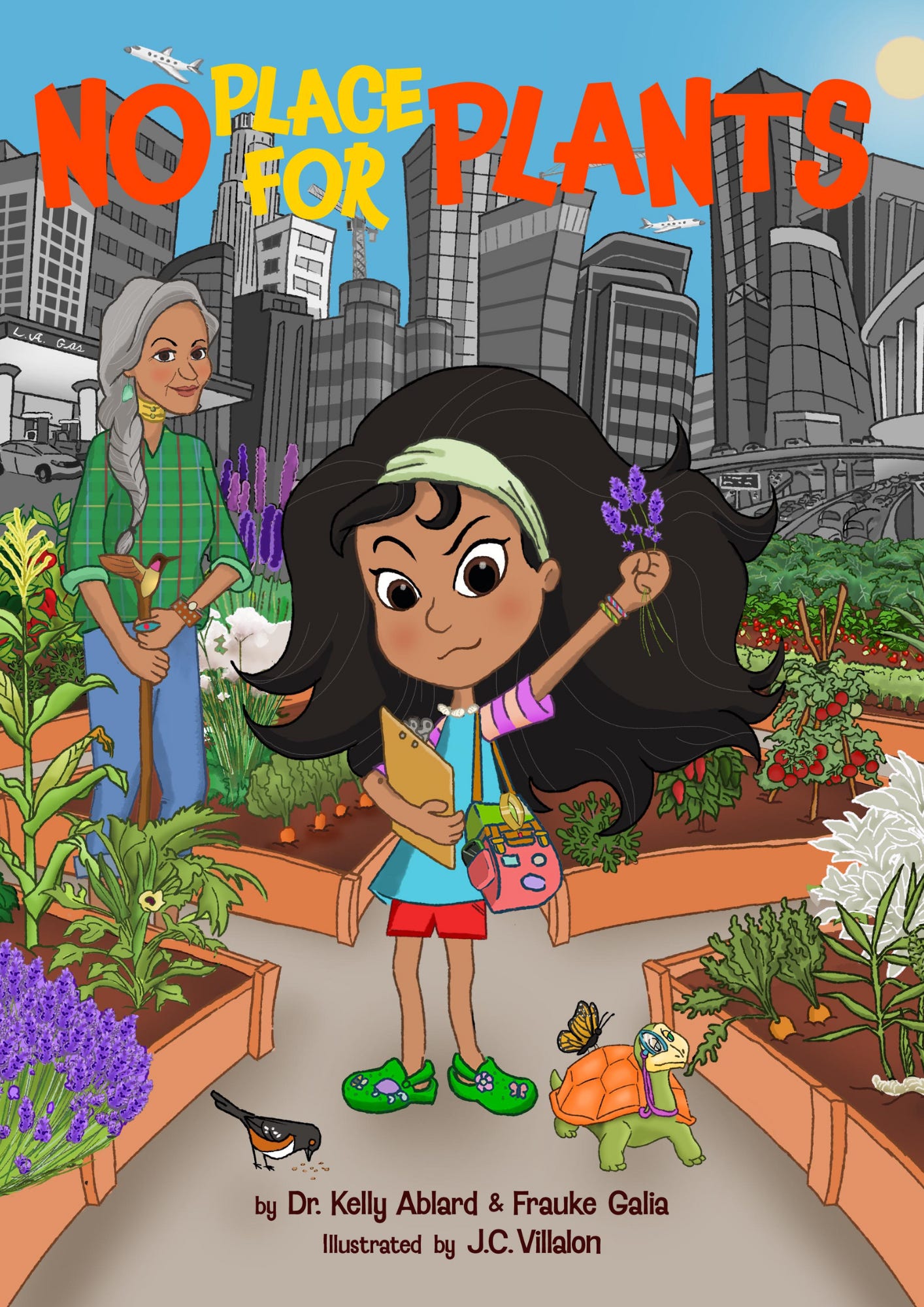
The book tells the story of a modern day 8-year-old Native American girl from Los Angeles, California named Pukuu’ who is on a mission to save her community garden.
Every Sunday, Pukuu', her wise grandmother Ashuuk, and their pet desert tortoise Paa'ar walk to their community garden to spend time with their friends, including the plants, animals, and insects. But one Sunday, as they are walking to the garden, smelling the plants along the way, they arrive there to find some no-good, absolutely terrible news that could change everything.
If you have children ages 3-5 years old in your life, this book animates them to become stewards of the plants, passionate ambassadors for the natural world, and active smellers.
The hardcover, paperback, and e-book are available for purchase globally on Amazon, Walmart, and Barnes & Noble.
I will be contributing 5% of any net sales proceeds to the Smell & Taste Association of North America, an organization dedicated to helping those with smell and taste dysfunction.
This week on my podcast An Aromatic Life:

This week’s whiff of wisdom comes from award-winning natural perfumer, educator, and author Mandy Aftel who shares what you need to understand about naturals, including natural isolates.
To listen to the original full episode go to episode #48.
Whiff of Wisdom is a biweekly format which spotlights an inspirational insight from a guest on the pod. The goal is to offer you a whiff of wisdom for your aromatic life, as well as give you some inspiration to try new things that use your sense of smell more.
You can listen to this episode, and all others, on Apple podcast, Spotify, or wherever you get your podcasts. Go here.