

Post-Modern Perfumery is Here
How AI is revolutionizing what we can smell.
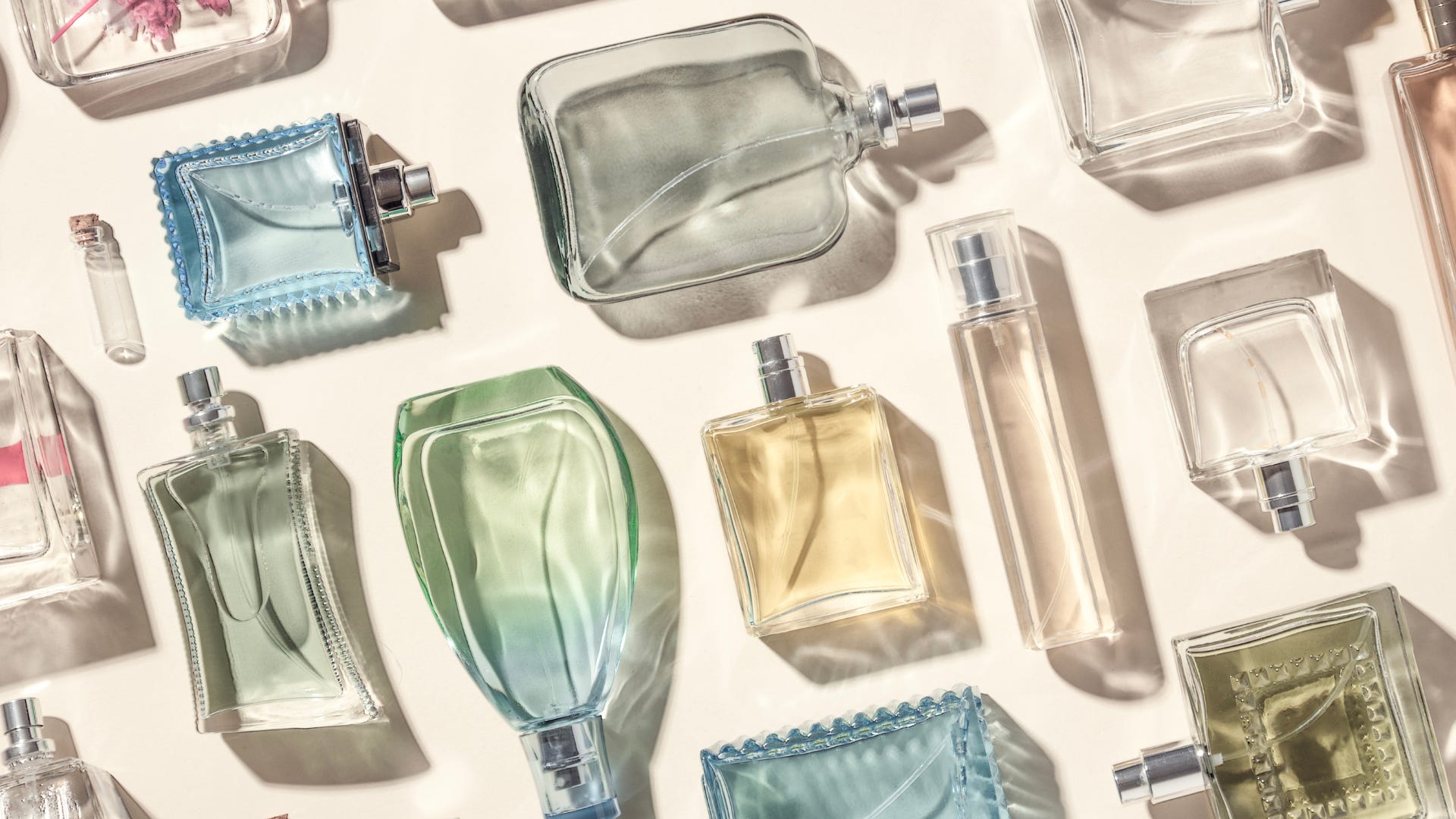
I write to you today to let you know about the extraordinary moment we find ourselves in. We’re at an inflection point which is, once again, revolutionizing an entire industry. I’m not exaggerating when I say that we’ve reached a new milestone in the perfume industry - all with the help of artificial intelligence (AI).
At this very moment we’re witnessing Perfumery 3.0.
Here’s a very brief history with some key inflection points to help give you context…
Perfumery 1.0 - The Natural World
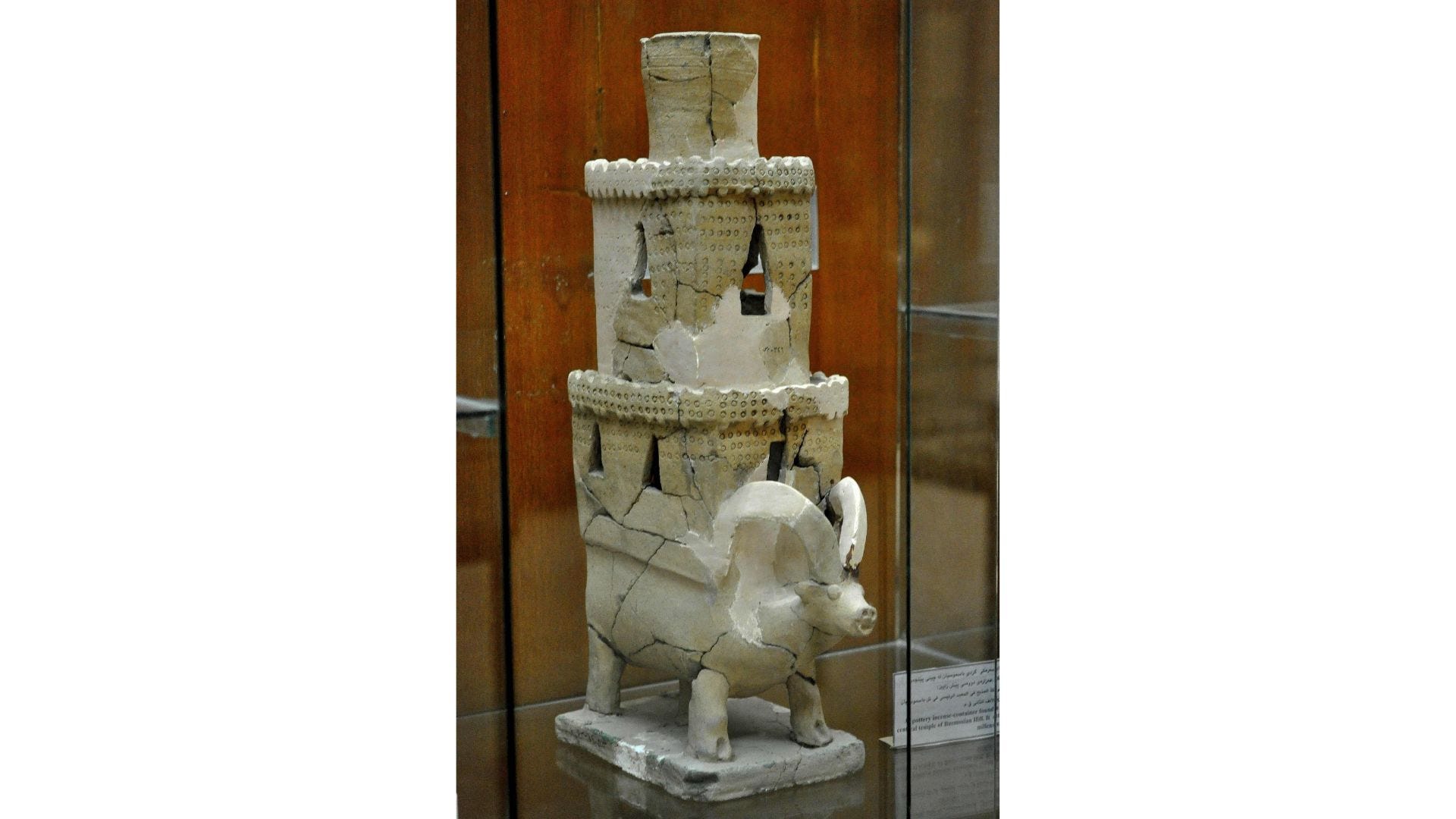
The earliest form of perfume was incense, first made by the Mesopotamians about 4000 years ago. This was burning a variety of natural resins and woods at religious ceremonies. The ancient Egyptians took it a step further and learned how to store a mixture of natural ingredients in fats, so they could now wear and adorn themselves with fragrance, in the form of balms and oils.
Then in the Middle Ages, in 12th century Arabia, doctors learned how to distill alcohol to extract concentrated scents. With this new knowledge, and materials brought back during the Crusades, Italy quickly became the world’s fragrance capital, specifically creating the first liquid perfumes.
Perfumery 2.0 - Man-Made In The Lab: Modern Perfumery is Born
The last time there was a pivotal shift in fragrance creation - commonly called the birth of Modern Perfumery - was back in 1868 when French chemist Auguste Wilhelm von Hofmann discovered how to produce coumarin synthetically (coumarin is a molecule that naturally occurs in tonka beans and provides a sweet, hay-like scent). Now, instead of having to go to Nature for your ingredients, you could suddenly create ingredients in a lab. Man-made molecules were born. It was a game-changer after centuries of using only natural materials.
.jpg)
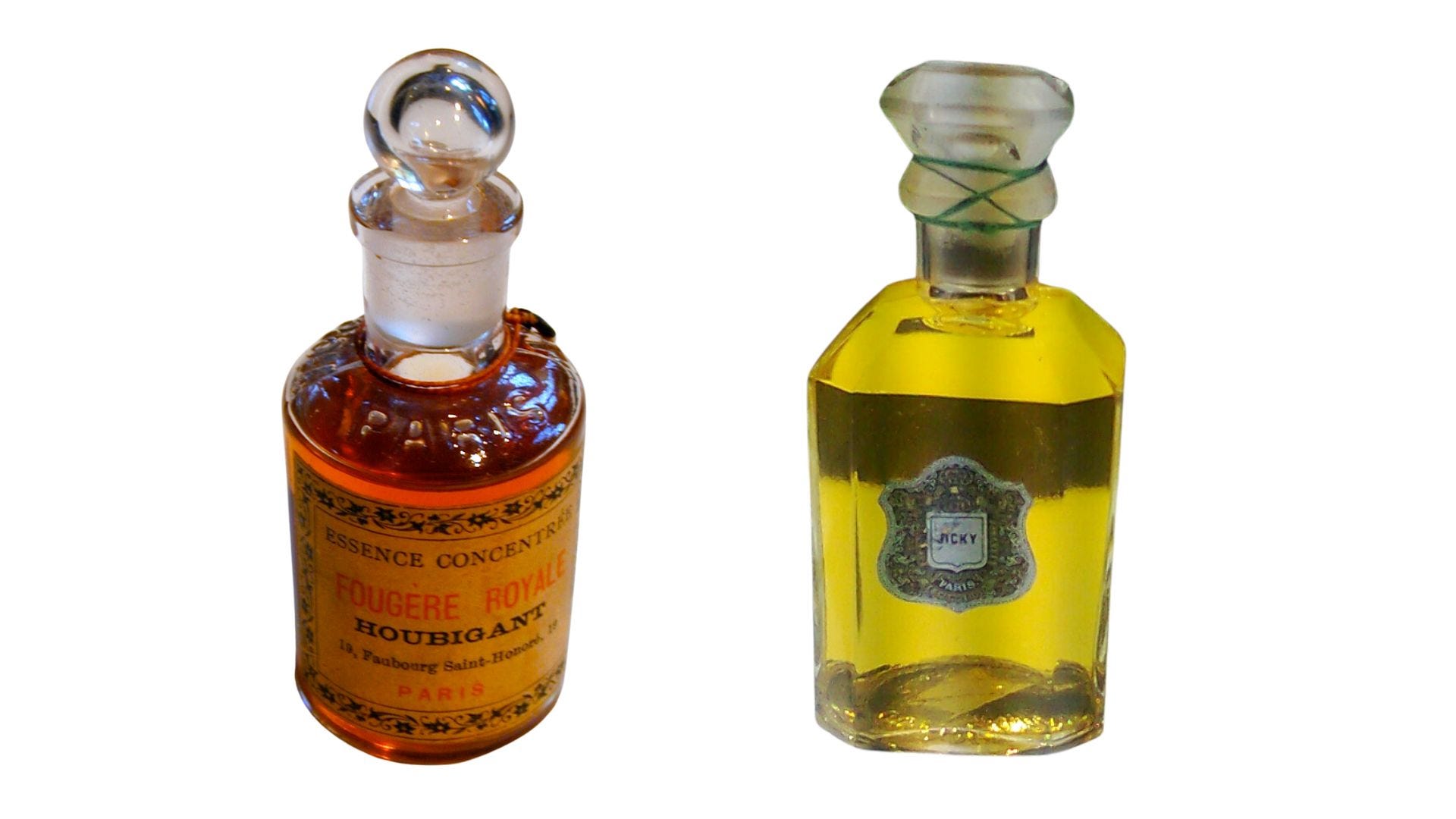
It was vanillin that brought in the era of the first truly modern perfumes. Vanillin was used in Fougere Royale (1884) and Jicky (1889), two of the world’s first lab-made/natural hybrid perfumes. Chemists quickly conjured up more synthetic ingredients including cinnamaldehyde, anethole in anise oil, benzaldehyde, and even artificial musk. By 1895 they were able to create the first lab-made floral scents, jasmine and rose. Fragranced body soap and washing soap exploded, as did the variety and number of perfumes.
.jpg)
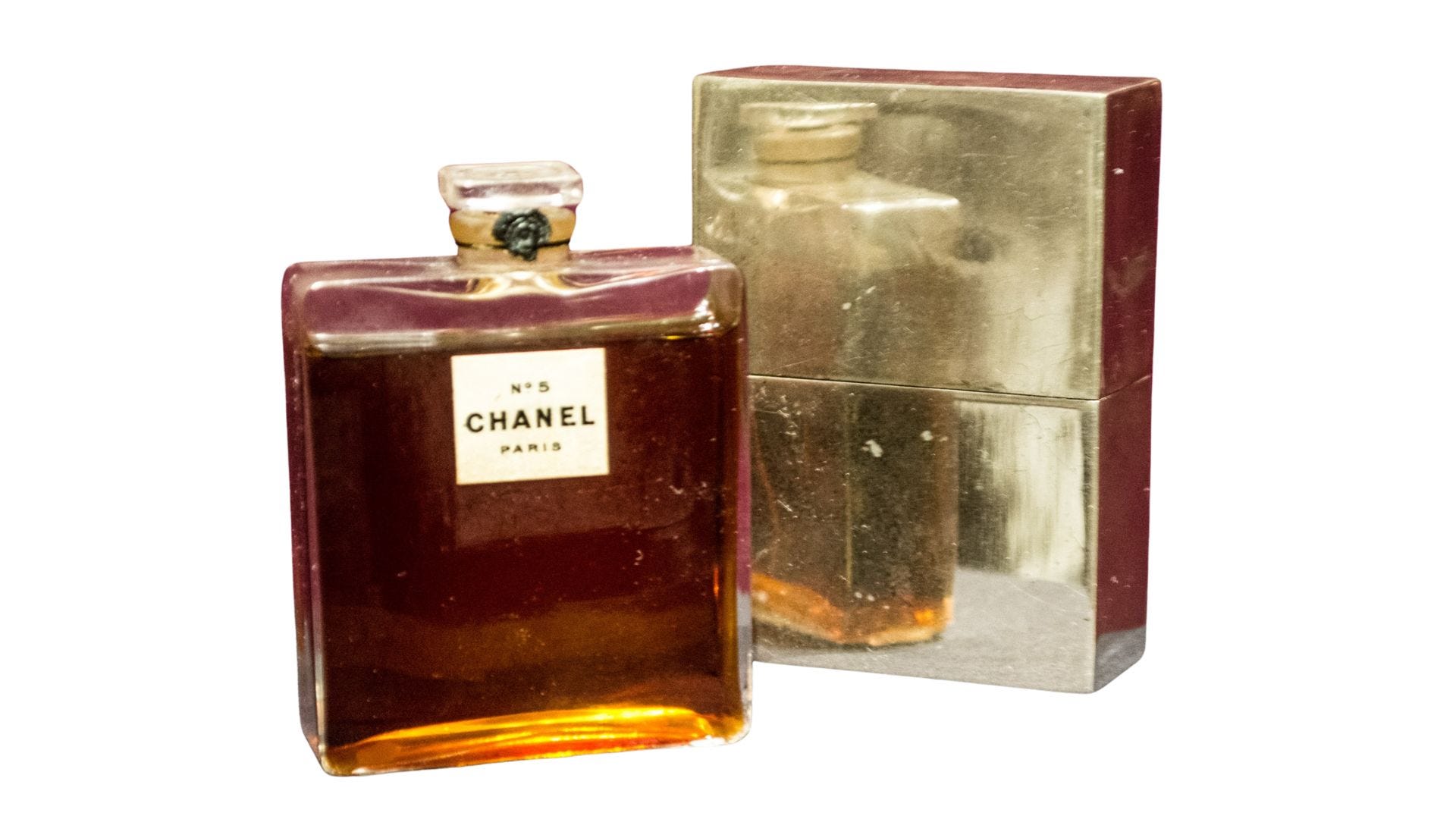
Interestingly, the most iconic perfume to this day (still sits at #1 globally!), Chanel No. 5, was created in 1921 by Perfumer Ernest Beaux using synthetic aldehydes for the first time. The perfume industry never looked back.
Perfumery 3.0 - Non-Human Machine Learning - Post Modern Perfumery Emerges
Which leads me to this moment that we find ourselves in. For the first time ever, Perfumers have access to never-before-smelled molecules that weren’t created by humans, but rather by a machine. Revolutionary.
On October 28th, the AI company Osmo announced the discovery and launch of 3 new scent molecules available for use and purchase: GLOSSINE, FRACTALINE, and QUASARINE.
“We use the map of odor to explore previously unexplored regions of chemical space and find fragrance molecules that smell great and satisfy all the other properties that a great ingredient needs.” ~ Alex Wiltscho, CEO Osmo
I fully recognize the magnitude of this moment, having worked for the fragrance house Firmenich, including in their Ingredient division, for over 10 years. You see, it takes upwards of 7-10 years (!) for a fragrance house to come up with just one new proprietary molecule (a “captive”) in the lab. But now, through Osmo's AI molecular discovery platform, Forge, they “can create new captives four times faster than traditional methods, allowing [them] to develop multiple captives simultaneously. This translates to a far wider range of possibilities for Perfumers.” 🤯
But there’s more!
I want you to imagine something: Imagine taking a photo, or the words of your favorite poem, and turning that into a perfume. Now imagine the wildest dream you’ve ever had, or the most twisted thought, and turning that into a perfume.
Well, it’s now possible for anyone to take the intangible and turn it into a tangible, one-of-a-kind scent.
On October 22nd, Osmo announced the launch of their new AI tool Inspire, which lets you turn words and images into a fragrance. As they say, “Think of it like a ChatGPT for perfume.” This is a game-changer for anyone who creates perfumes as a hobby or business.
Think about it, if you’ve ever tried to make a unique and interesting perfume, you know how time-consuming it can be to translate a concept in your head into an actual perfume; the experimentation is endless and the iterations (“mods” as we say in the Perfume industry) are numerous. Many, many ingredients are used (Perfumery can be very expensive!) and most mods are thrown out to no avail.
Not anymore. With this new AI tool, Inspire, you have your very own Perfumer’s assistant at your disposal. Money and time saved. It’s transformative!
I’ve had a chance to try out the tool and wanted to show you an example of what it creates. It’s fascinating, as I think you’ll see.
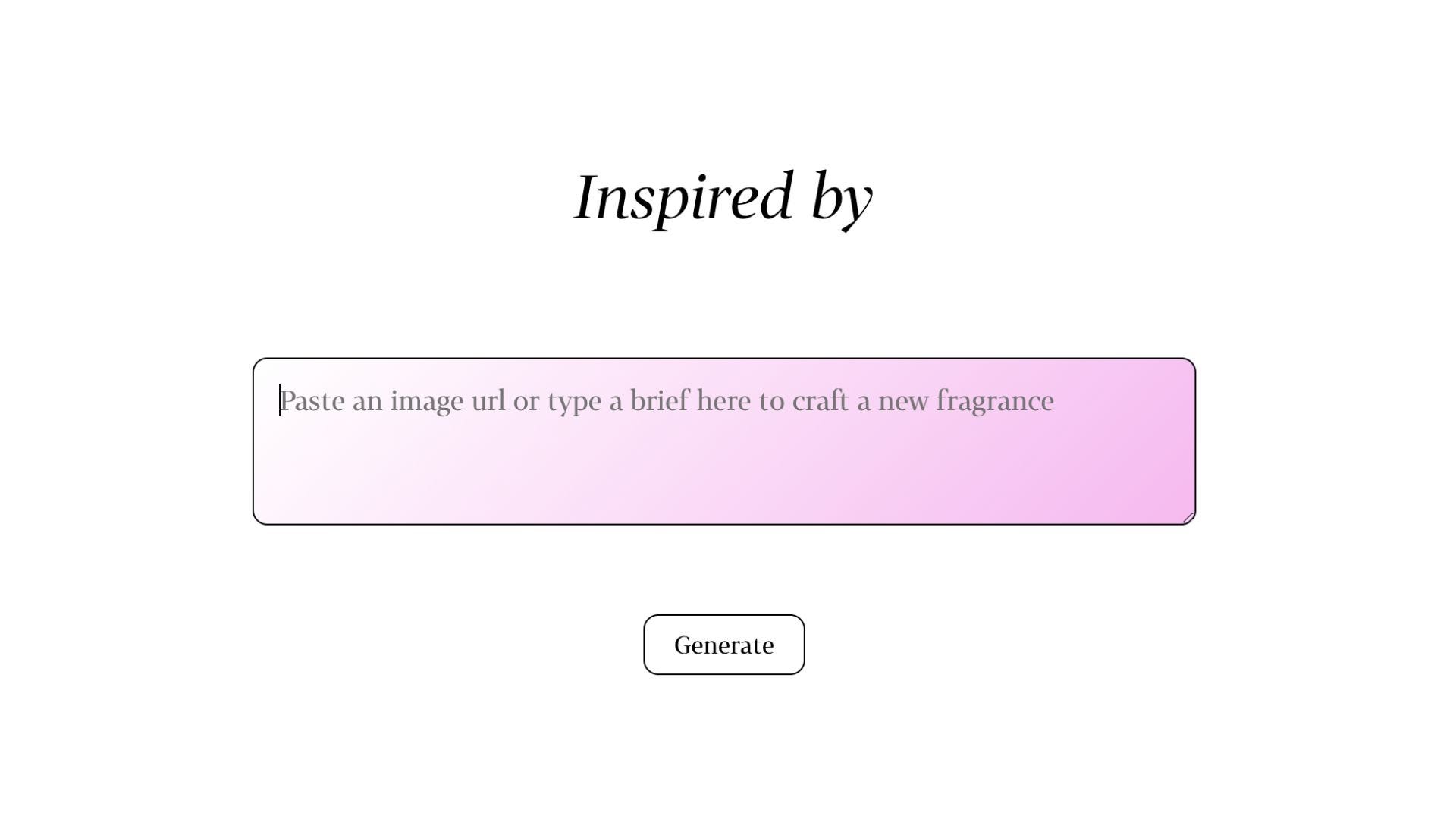
I’ve always wanted to create a perfume that represents the San Francisco Bay Area where I live. So I began by typing a brief paragraph describing the scene: a foggy morning in San Francisco. Here’s my input:
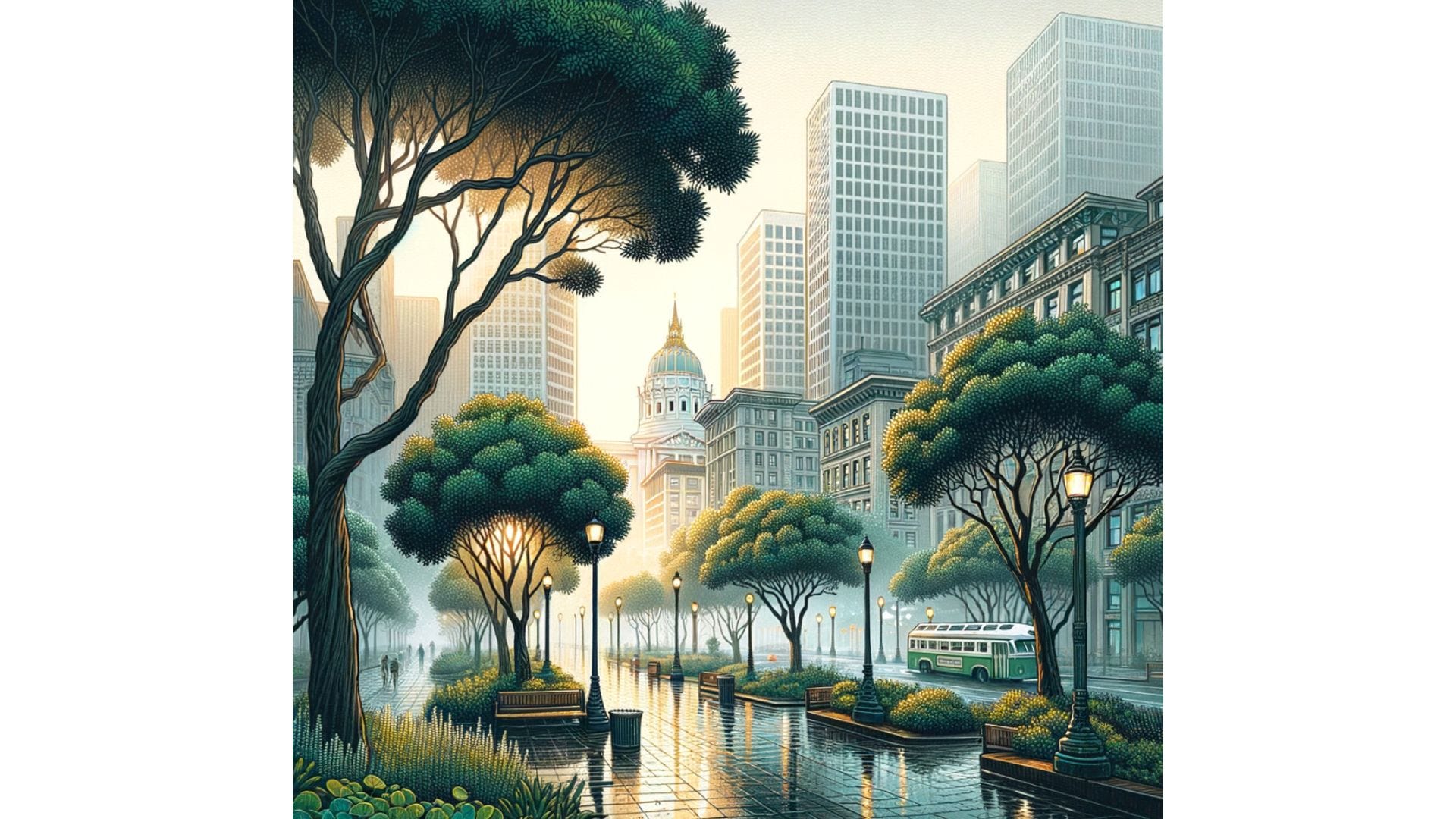
“In the early dawn, as fog rolls in to blanket the City, the air feels crisp and cool, but at the same time damp and earthy. The streets are lined with eucalyptus trees, interwoven with coastal pines.”
The computer thinks for less than 1 minute..
I get a visual image of the text:
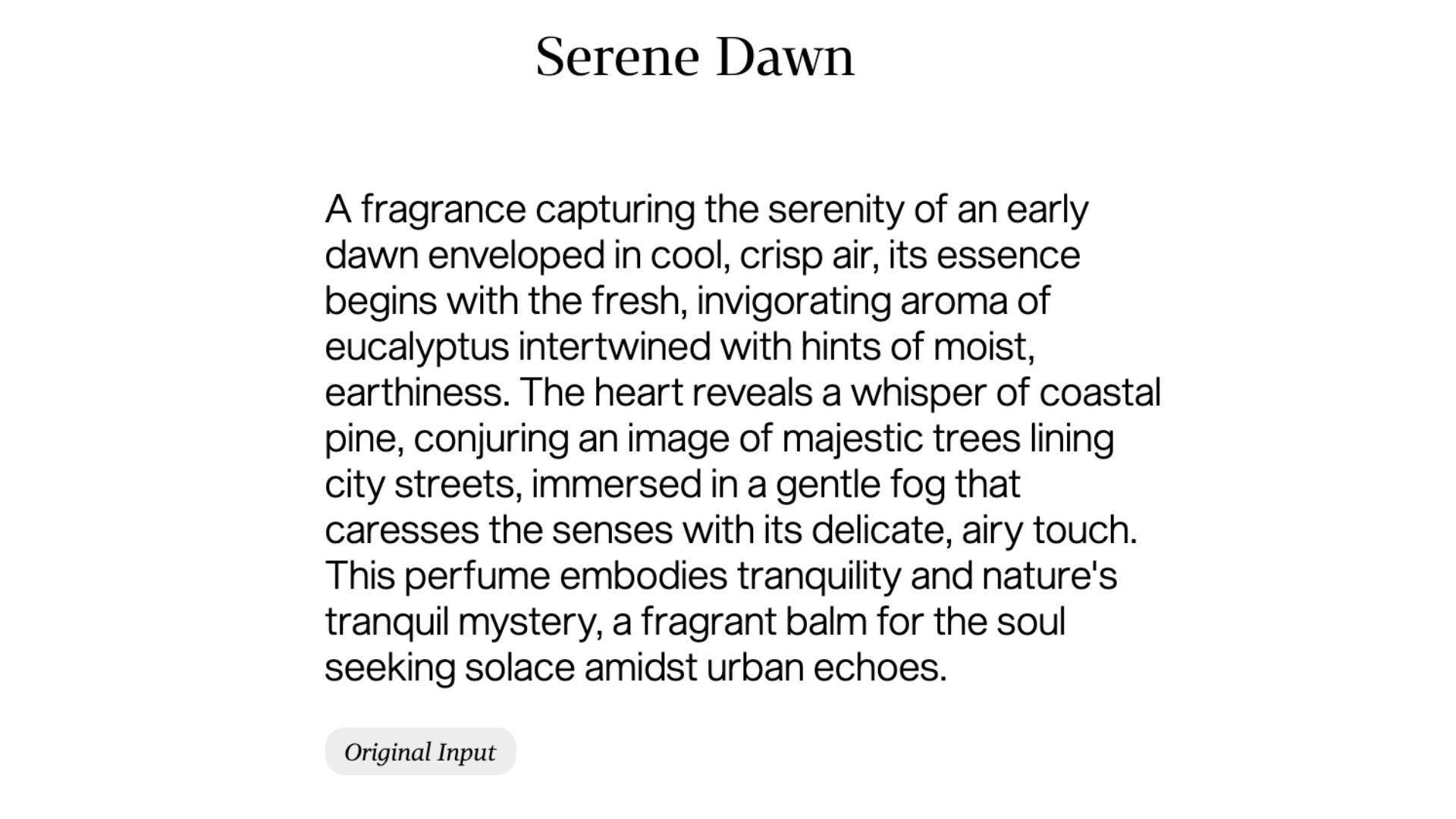
And a working title and concept brief is presented:
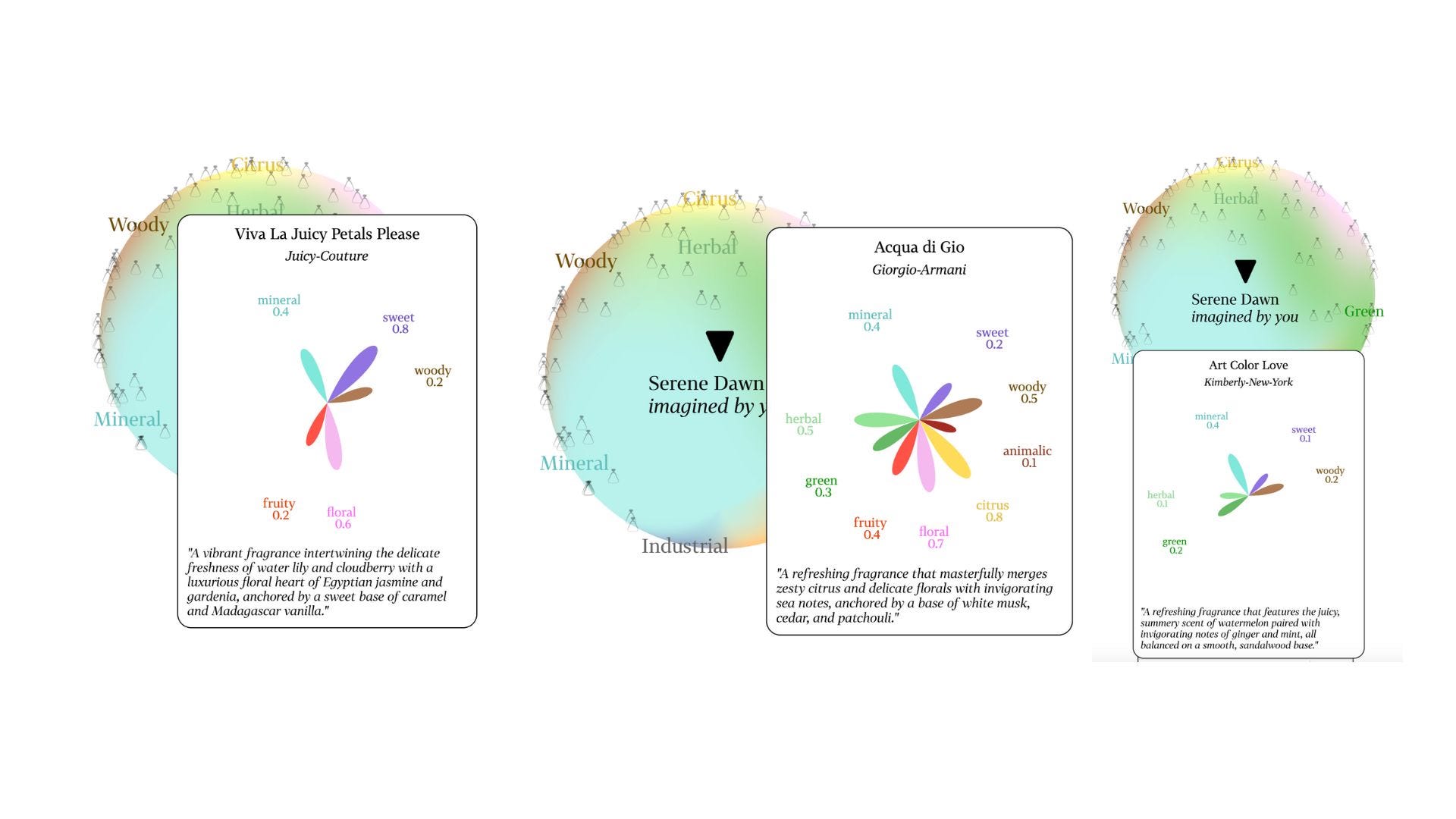
At the same time a fragrance profile is given:
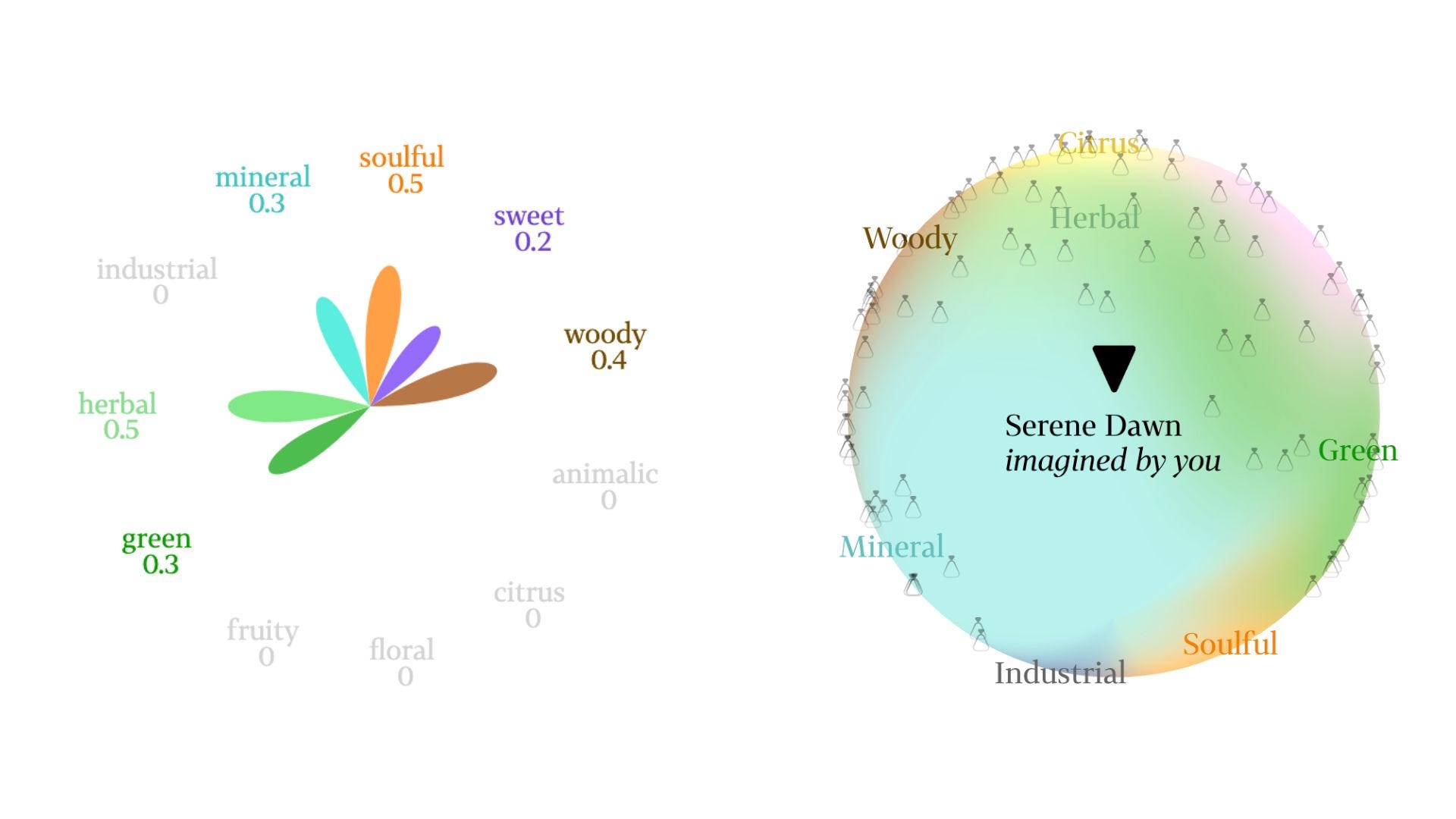
The individual triangles (upper image on right) represent the real-life sources drawn from. There you can click on individual triangles to see what’s chosen. Here are just a few:
Finally, a fragrance formula is revealed:
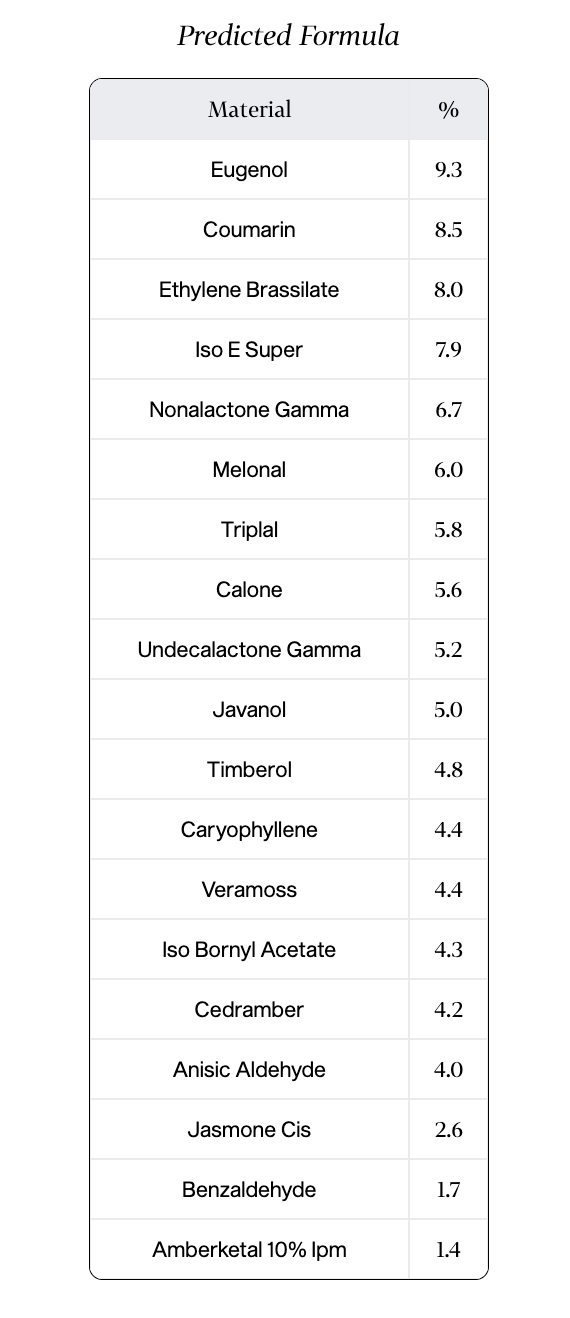
Voila! You now have the skeleton of a full perfume. Amazing!
They also offer you the chance to smell your creation. They’ll send you a sample via post. I requested a sample that I can’t wait to smell! I’ll share when it arrives.
I don’t know about you, but I find this all incredibly exciting because a new frontier in Perfumery is here. I know not everyone is applauding the change, but just imagine the possibilities. I mean, the color patterns of our clothes are more interesting, not to mention the variety of music we now hear. Why not look forward to new scented horizons that we never believed could exist for each of us to smell?
Perfumery 3.0 is at your front door. Will you try it out? Let me know what you think!
This week on my podcast An Aromatic Life:
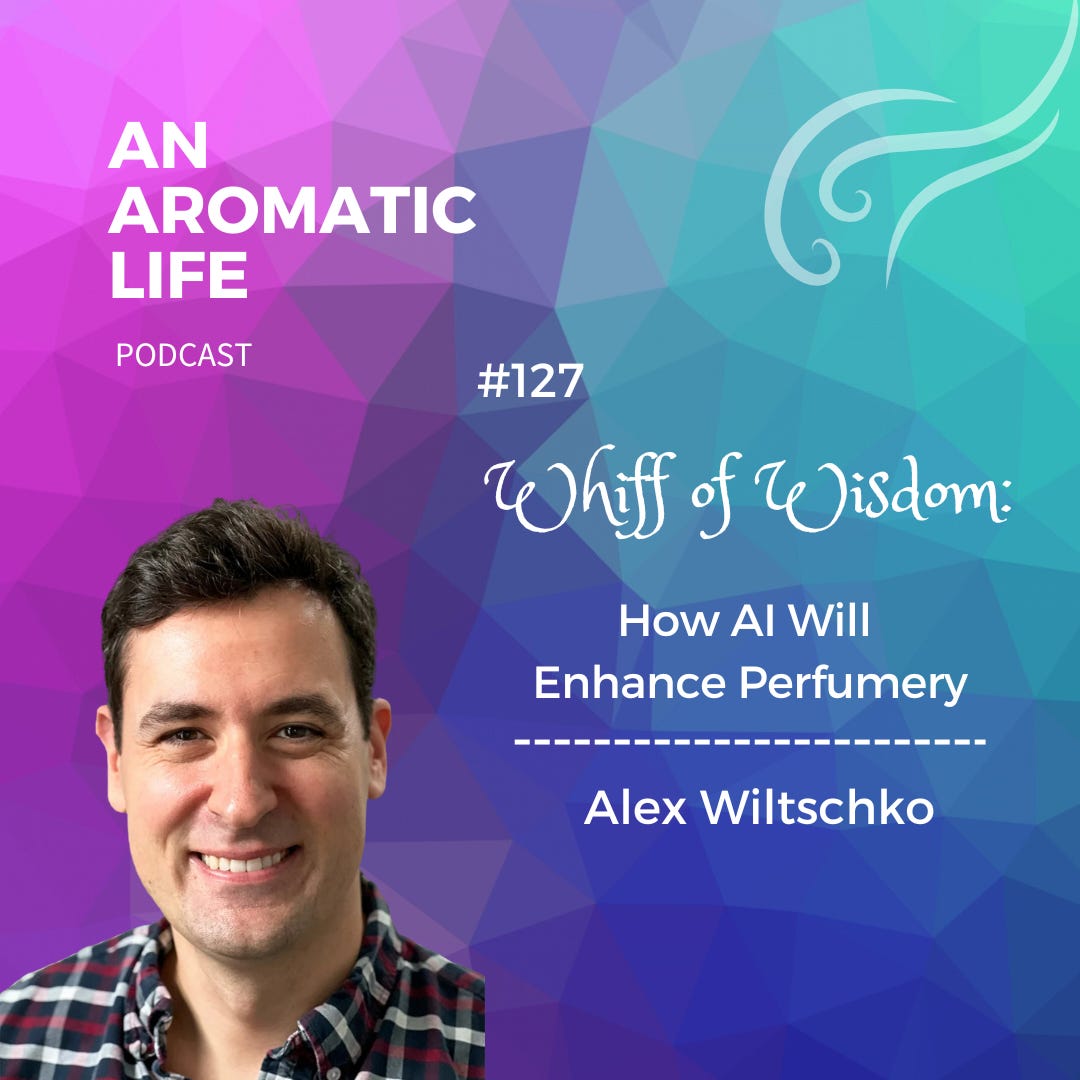
In this week's whiff of wisdom, neuroscientist and Osmo CEO Alex Wiltschko shares how artificial intelligence is going to enhance Perfumery in new and exciting ways. In fact, since this original conversation aired, the company has made some great strides, as you learned today.
If you want to dive deeper into the work that Alex and his Osmo team are doing, why not go back and listen to the original full conversation - episode #79.
You can hear this episode and many more on Apple podcast, Spotify, Amazon Music, or wherever you get your podcasts.
This is amazing 😍