

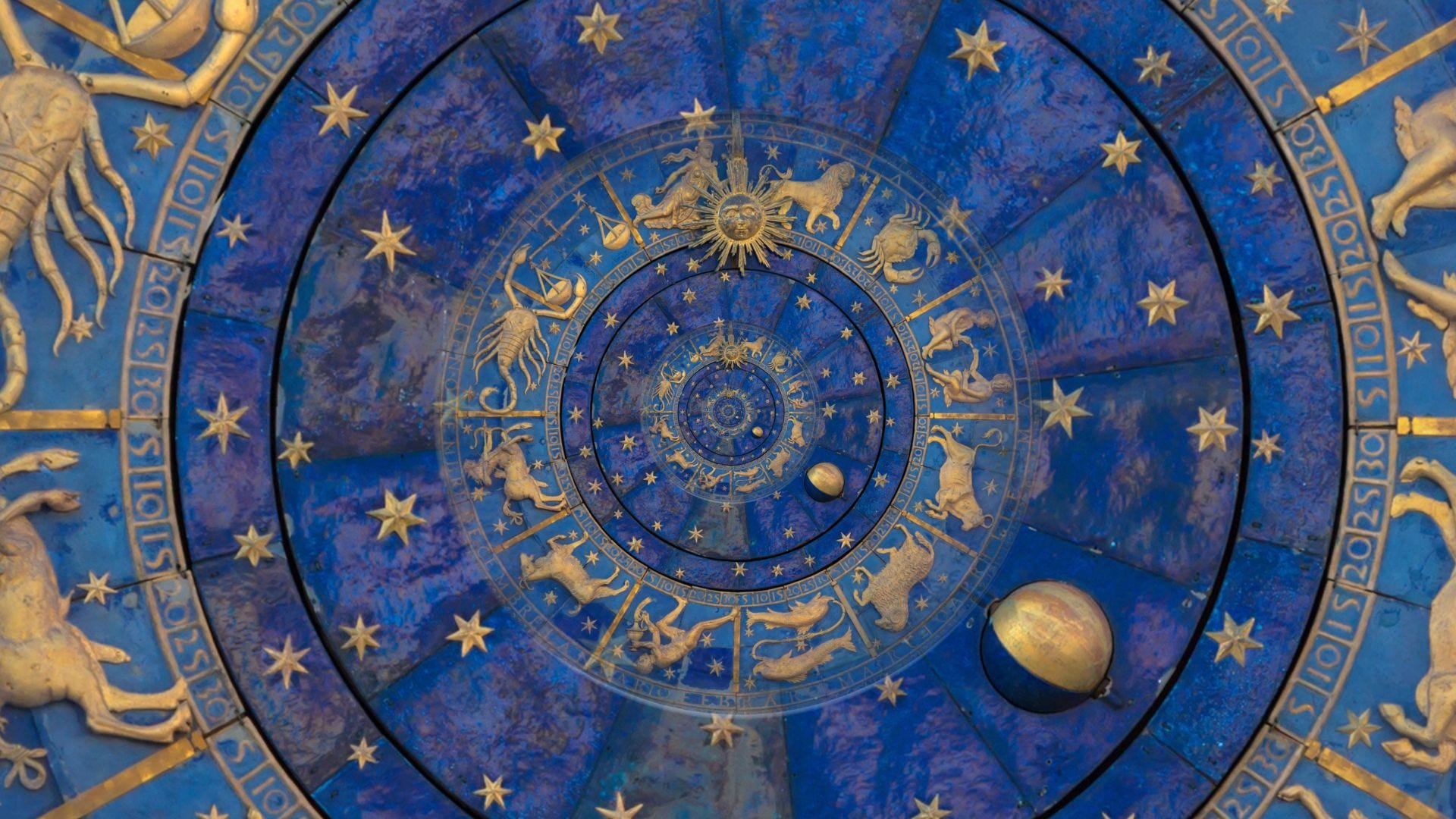
I’ll start by saying that I’m not one to believe in astrology per se. Ok, ok, maybe on the odd occasion, when life just doesn’t make any sense at all, you can find me checking my horoscope in the hope that “someone” out there can explain to me why I’m having the experiences that I am. And I’ll admit that sometimes I like to ask people what sign they are because maybe it will give me clues as to who they are and how we might find a connection.
So, do I actually believe in astrology? Let’s just say I continue to be curious.
The reason I bring this up today is because I had a really interesting conversation on my podcast, An Aromatic Life, recently about astrology - more specifically aromatic astrology. You can listen to the episode here. And it really got me thinking about my role in this world. Why am I here?
Yes, yes, I know what you’re thinking - why so existential, Frauke? Well, the world is heavy and maybe it’s a good time to ask what place I (and you) have in this universe of ours. After all, I do believe that once we’re here it’s for a reason, to contribute. No person is wasted.
For me, a lightbulb went off when astrologer Karima el Atallati Lynch shared why we should even consider the idea of astrology. I’ll share a slightly edited version of what she said:
Very basically, astrology is the study of the position and movement of celestial bodies: the Sun, the Moon, Jupiter, etc., and how those planets, who are moving constantly, have an effect on us. We know the Sun has an effect on human energy, on plants, on animals, etc..
Often people say they don't believe in astrology, yet they believe the Sun can grow plants. So, how can you not believe that maybe the Sun has an impact on our own energy? When it's gray outside, we feel a little depressed. Then when the sun is out, our mood is a little bit uplifted. The Sun has an impact on us. Even if we don’t see it, that doesn't mean it's not there. As we know, our eyes don't see everything. We don't see a molecule on our skin. We don't see everything. So why can’t this be true? For centuries people have believed, and our knowledge continues to grow because we have more experience and we see what effects the planets have on earth.
That made sense to me because I can relate the idea to smells. We’re affected, positively and negatively, by smells around us all the time, continuously in fact. We might not see the odor molecules in the air, but they’re there, emitting their volatile compounds from living beings at every moment. Our olfactory environment is constantly changing and we’re, mostly subconsciously, always responding.
Detecting odors depends on external factors such as air movement; the more breezy your environment the more variety of odor molecules reach your nose. I think about my daily walk around the neighborhood; when the distant smell of jasmine appears, making me smile. I look longingly for the plant with no success, but I’m happy nonetheless. The invisible has affected me.
Temperature is another factor; the warmer the air the more volatile molecules will release from living beings. Notice how much more you smell around you during the summer than in the winter; the sweat of another human being, or the euphony of sweet scents in a botanical garden.
All of it plays a role in how we smell, and how we interpret what we smell. And that constantly shapes our world, just like the continuous movement of the planets in our universe. So maybe I should be paying closer attention. Astrology may hold some clues to my place in this universe.
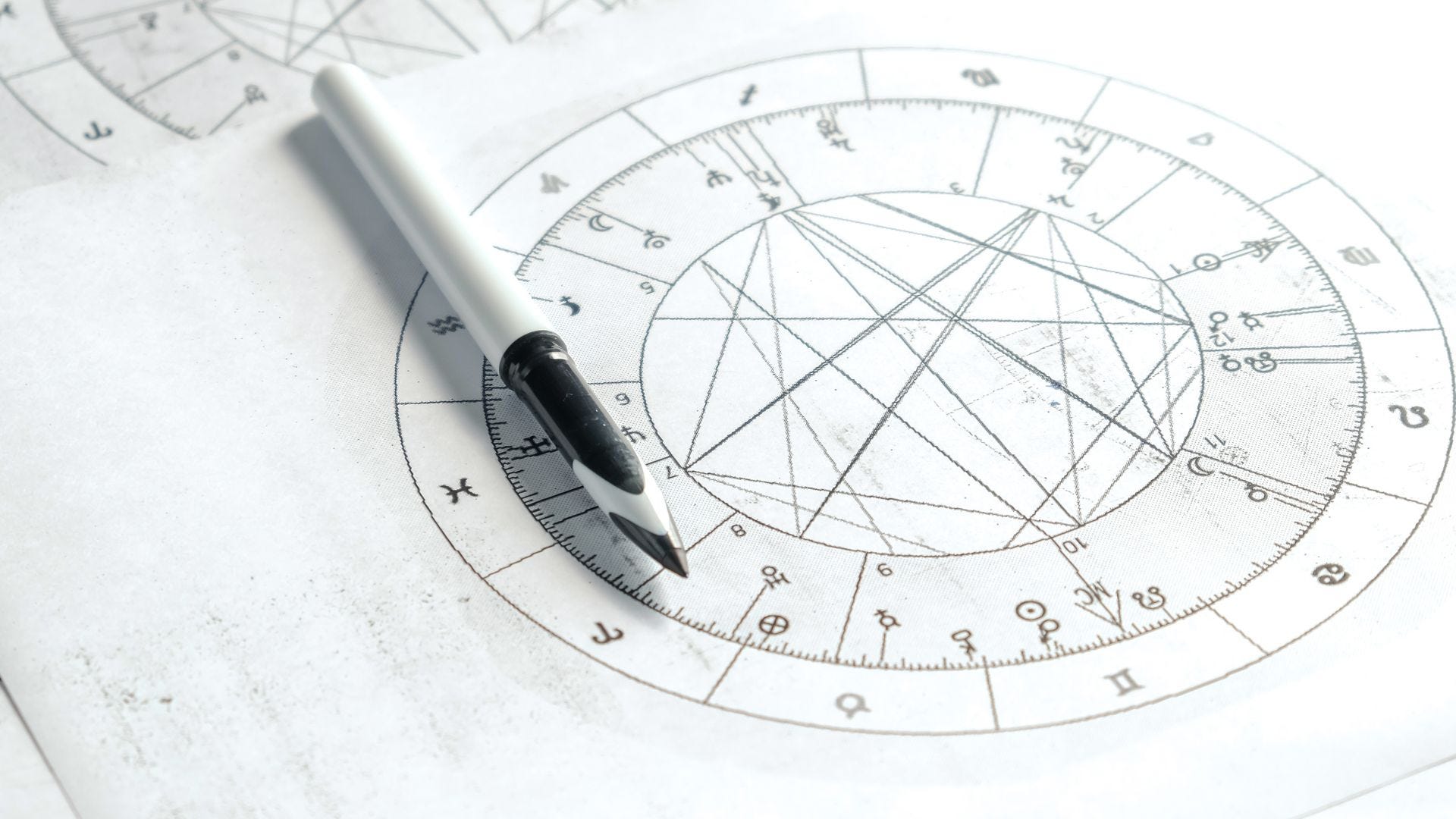
Which brings me to my second epiphany from that conversation: how we’re shaped by the moment of our birth. Meaning, the influence of the exact minute, day, year, and location of our arrival on earth, and where the planets were located at that point in time.
I’ll share a slightly edited version of what Karima said:
The second part of astrology is your natal chart. So you have the planets that are moving constantly, which has an effect on us and our everyday lives, as well as our cycles and patterns. And then when you are born, we take a screenshot of the sky, specifically the position of the planets. And that's basically your life path; it's your blueprint. It’s the description of your personality. It’s a cosmic energy that represents the description of your soul and your energy.
This, too, made sense to me because - I’m not sure if you’re aware - we’re each born with our own unique odorprint. Yes, we all smell different. Your body has a signature eau de moi, just like a fingerprint.

We all have our own distinctive set of genes (unless you have an identical twin), including for our immune system. The specific set of genes (about 50) that are the genotype for your immune system are called MHC genes, and they determine your unique immune system and also your unique odorprint. You smell like you, and only you. You have an aromatic identity at birth!
Of course, as you go about your life’s journey, external factors can temporarily alter your smell. Things like what you eat; ingesting copious amounts of garlic, onions, or spices can alter your overall scent profile for a while. Also how you adorn yourself: the perfume you wear, or the lotion you apply can change your smell.
But the underlying odorprint will always remain; you always have your own unique olfactory personality that’s created when the egg meets the sperm. A moment in time. You smell of you, always.
If you’re curious to explore further, to better understand your place in the universe, I’ve got a few resources for you.
To understand your own birth chart, check out this website to learn more. Or this app to go even deeper.
And this is a fun website that lets you search for what perfumes were launched in the year and country you were born in.
Let me know if your curiosity leads you to any interesting discoveries about yourself. I always love to hear.
This week on my podcast An Aromatic Life:
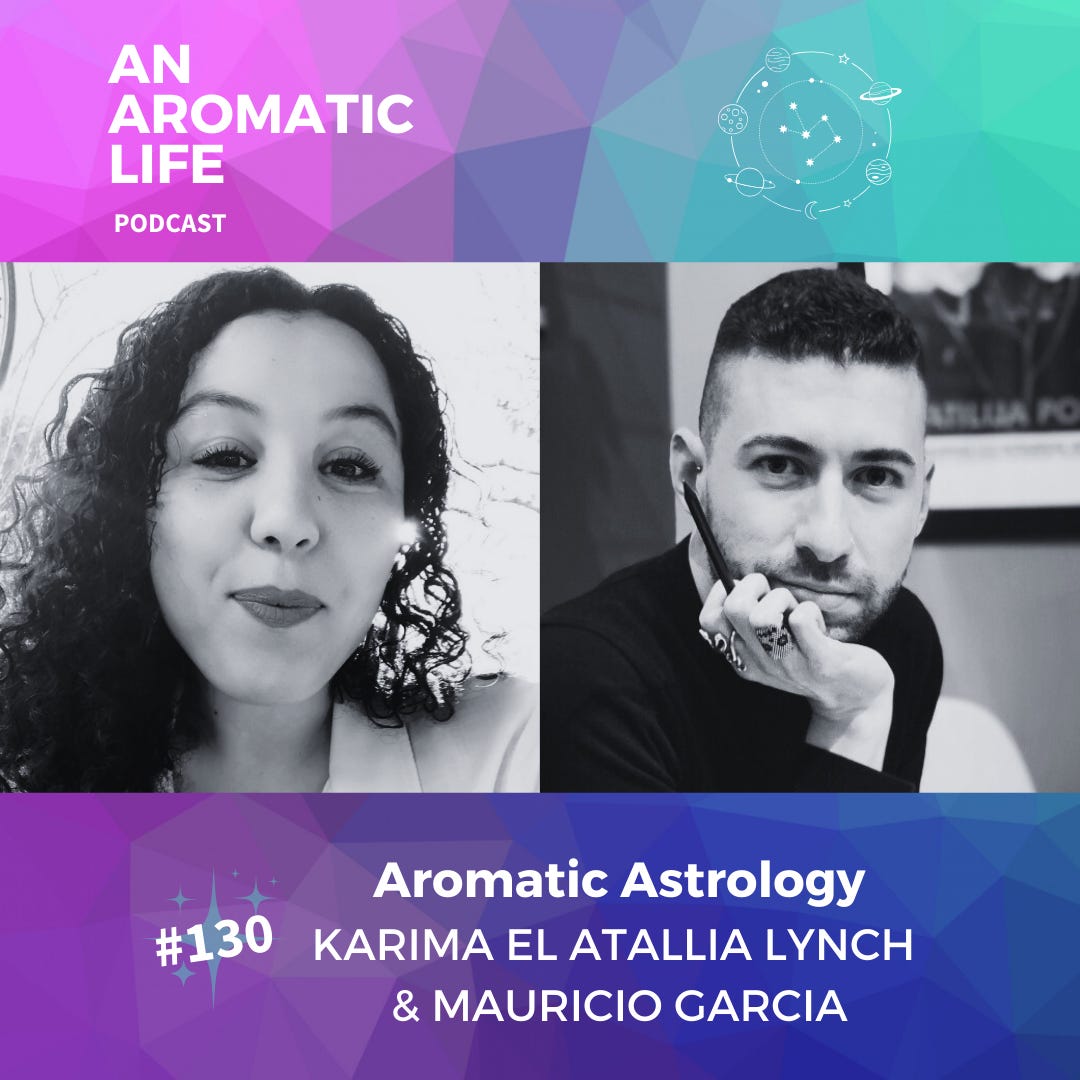
I sit down with astrologer Karima from the Cosmic Vibe and animistic perfumer Mauricio Garcia to explore the fascinating intersection of aromatics and astrology.
Karima begins by defining what astrology encompasses and Mauricio then shares how aromatics fit in. They explain “The Power of Three” and share how utilizing scent is the perfect tool to bring our intentions and visualizations into the material world.
Karima explains the particular characteristics of the four elemental signs, then delves into each individual Zodiac sign, revealing their unique traits, strengths, and shadow sides. Mauricio then layers on the aromatic support that’s most fitting for each sign, sharing what scents can help activate or balance, depending on need. He also shares what aromatic rituals can be particularly helpful for each sign.
This episode will leave you feeling seen and will give you fantastic practical aromatic tips that you’ll want to implement asap.
You can hear this episode and many more on Apple podcast, Spotify, Amazon Music, or wherever you get your podcasts.
Looking for a holiday gift for the young child in your life?
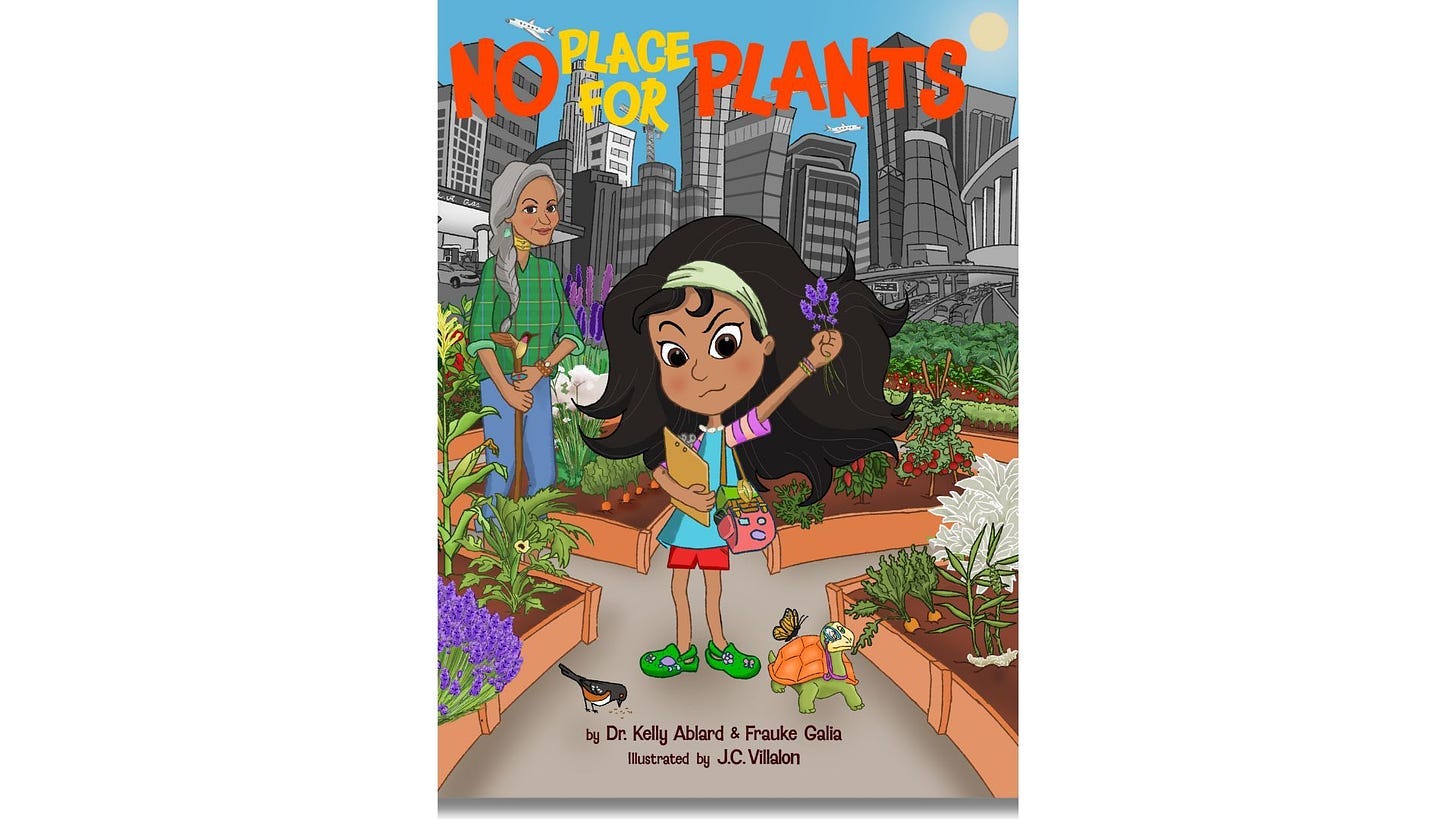
No Place for Plants is a vibrantly illustrated children's picture book that tells the story of a modern day 8-year-old Native American girl from Los Angeles, California named Pukuu’ who is on a mission to save her community garden.
Every Sunday, Pukuu', her wise grandmother Ashuuk, and their pet desert tortoise Paa'ar walk to their community garden to spend time with their friends, including the plants, animals, and insects. But one Sunday, as they are walking to the garden, smelling the plants along the way, they arrive there to find some no-good, absolutely terrible news that could change everything.
Pukuu’, with the guidance of Ashuuk and Paa'ar, embark on an unforgettable journey that reminds us of the importance of community and our connection to Nature.
The hardcover, paperback, and e-book are available for purchase globally on Amazon, Walmart, and Barnes & Noble.
Everything has its own odour. When in the north, my nose alerts me to incoming snow before it falls. My mother wouldn’t cook with garlic because my father’s body would reek of it later…but she did learn to put chocolate on the table in the evenings for a more pleasant outcome. Her own kind of witchcraft 😉
I had no idea about our own unique aromatic odor/blueprint! So fascinating! It may also help to explain why perfumes can smell differently on different people - and why creating perfumes is so complex because of that!